[By O’Neill A.R. Philips]
Monrovia — Cllr. James N. Verdier, Jr., has said the financing of anti-corruption institutions and the pursuit of transparency,
accountability, and good governance in Liberia requires multifaceted strategies that prioritize independence, sustainable funding and collaboration with
civil society and international partners.
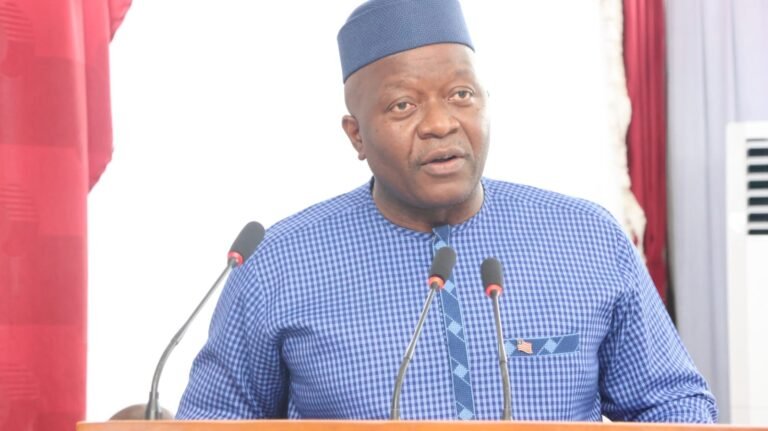
The Chief of Office Staff in the office of Speaker Richard N. Koon, made the statement when he delivered the keynote
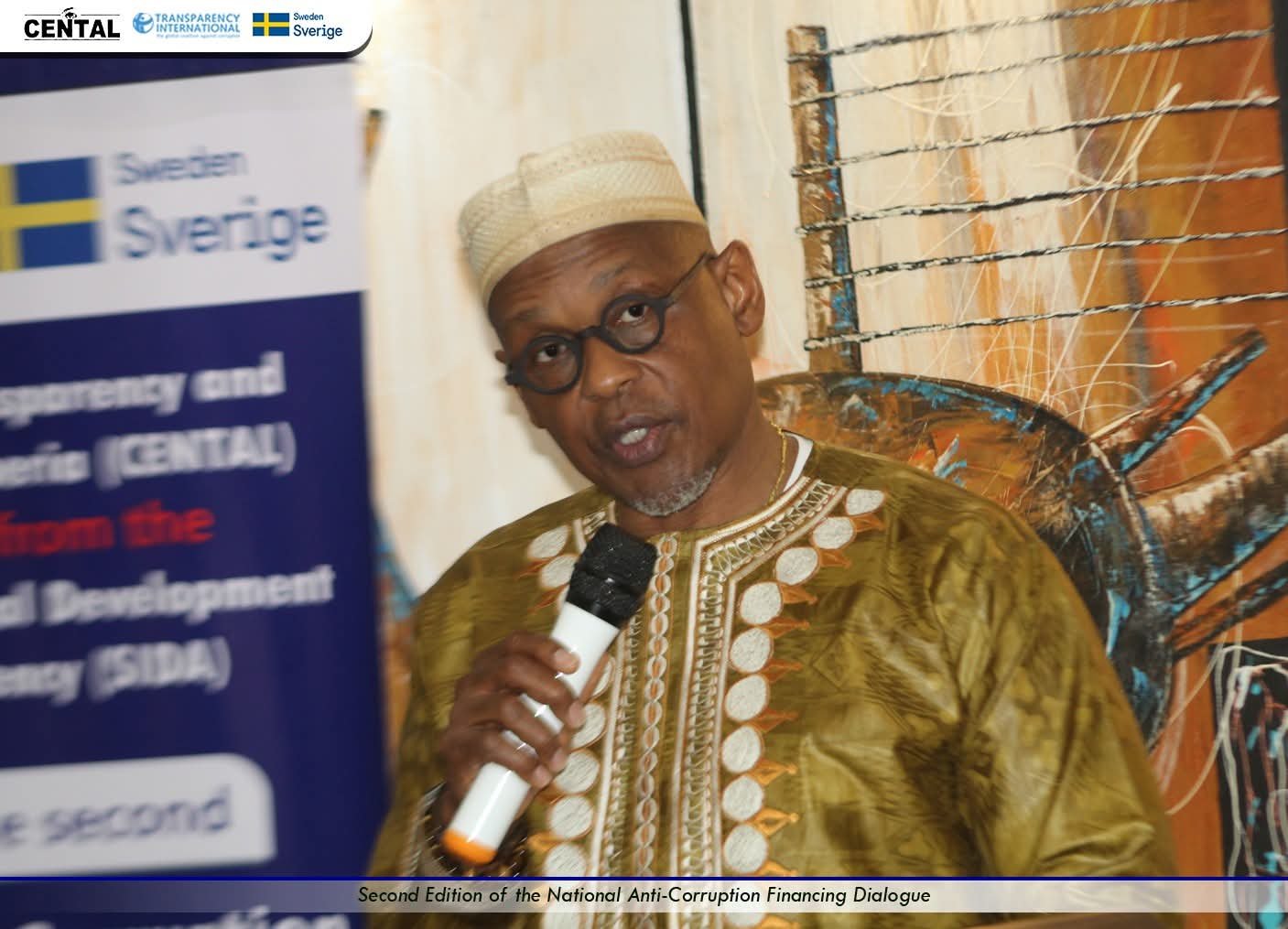
address at the second edition of the National Anti – Corruption Financing Policy Dialogue organized by the Center for Transparency and Accountability in Liberia ( CENTAL).
The ceremony was held on Wednesday, November 19, 2025 at a local hotel in Monrovia.
The former Executive Chairperson of the Liberia Anti – Corruption Commission ( LACC) said corruption erodes public trust, stifles economic growth and undermines the rule of law.
He stressed that Anti-corruption institutions should be government
primary defense, but noted that they are often critically underfunded.
“Our government must commit dedicated budget allocations for anti-
corruption work, ensuring these institutions have stable and
independent funding streams tied to clear performance metrics and
measurable results,” Cllr. Verdier said. “Financing the fight if we are serious about reducing and minimizing corruption, we must be
serious about financing the institutions that fight it,” he added.
Cllr. Verdier emphasized that government must allocate sufficient national budget to the Liberia Anti-
Corruption Commission (LACC), the General Auditing Commission
(GAC), Public Procurement and Concessions Commission (PPCC), Internal Audit Agency ( IAA),
Financial Intelligent Unit ( FIA) amongst others integrity institutions.
He also wants government to ensure financial independence so that integrity institutions can report, investigate, and pursue prosecution without fear or favor
“We must invest in technology and
training to modernize our systems
and reduce opportunities for graft,” Cllr. Verdier stressed. “We cannot expect these institutions to deliver results if we starve them of the resources they need,” he noted.
On the other hand, he said corruption is not just a moral failing, but an economic cancer that diverts public resources from schools, clinics, and roads.He further noted that corruption erodes trust in public institutions and weakens democracy.
He said corruption disproportionately hurts the poor and vulnerable,but agreed that corruption is not inevitable.
Cllr. Verdier noted that corruption thrives where systems are weak, where oversight is absent, and where institutions are underfunded and undermined.
However, the venerated Law practitioner further stressed that key financing strategies for anti-corruption agencies hinges on a mix of public, multilateral and philanthropic sources with most
support emanating from government’s budget and international
donors.
He argued that effective financing extends beyond funding amounts, but also requires robust systems of oversight, transparent budgeting and public engagement.
“Government must publicly disclose budget allocations, expenditure
details and procurement activities to increase transparency and reduce
opportunities for corruption,” Cllr. Verdier stated.
Keynote Speaker Verdier said
strengthening the capacity and independence of supreme audit
institutions like GAC, IAA, PAC in the Legislature is also essential for
accountability and credible oversight.
He called for the empowerment of civil society organizations to monitor budgets and government activities, leveraging transparency
portals and fiscal data to hold institutions accountable.
At the same time, he wants Anti-corruption institutions to foster partnerships with government counterparts, law enforcement, international bodies and
civil society to maximize expertise, share data and coordinate activities
The former LACC boss decried political interference in the National Budget preparation and allocation as it often serves as a reprisal after or
during high-profile investigations by integrity institutions.
“Anti – Corruption Institutions are designed and established to police the
powerful, yet the powerful often control their budgets. This creates a
fundamental conflict of interest,” Cllr. Verdier stated.
He further argued that the National Budget should be set by the Legislature and not the Executive whose institutions, he said are often investigated.
Cllr. Verdier then called for a multi-year funding commitments that provide stability and certainty for
planning and implementation of programs, and the legal protection from arbitrary mid-year budget cuts or freezes.
The Chief of Office Staff also wants government to allow Anti – corruption Institutions to retain a certain percentage of assets recovered, while
advocating for the legal and constitutional changes needed to grant Anti – corruption Institutions true financial independence.
The second edition of the National Anti – Corruption Financing Dialogue also had a panel discussion comprising key government institutions including the Ministry of Finance and Development Planning ( MFDP), the Legislature represented by Representative. Clarence G. Gahr, Co – Chair Joint Public Accounts Committee, Cllr. Alexandra K. Zoe, LACC boss, Cllr. Finley Karngar,Chairperson Office of the Ombudsman and Mr. Lawrence Yealue,ll, Country Director Accountability Lab Liberia.
The panelists discussion focused on means and modules that provide channels of greater financial support to integrity institutions.
Ambassador Karl Backeus of the the Embassy of Sweden, Representative Moima Briggs Mensah, and representatives from the Office of the United Nations High Commission on Human Rights( OHCHR), the Center for Good Governance, the Legislative Information Service amongst others made remarks at the ceremony.
About the Author