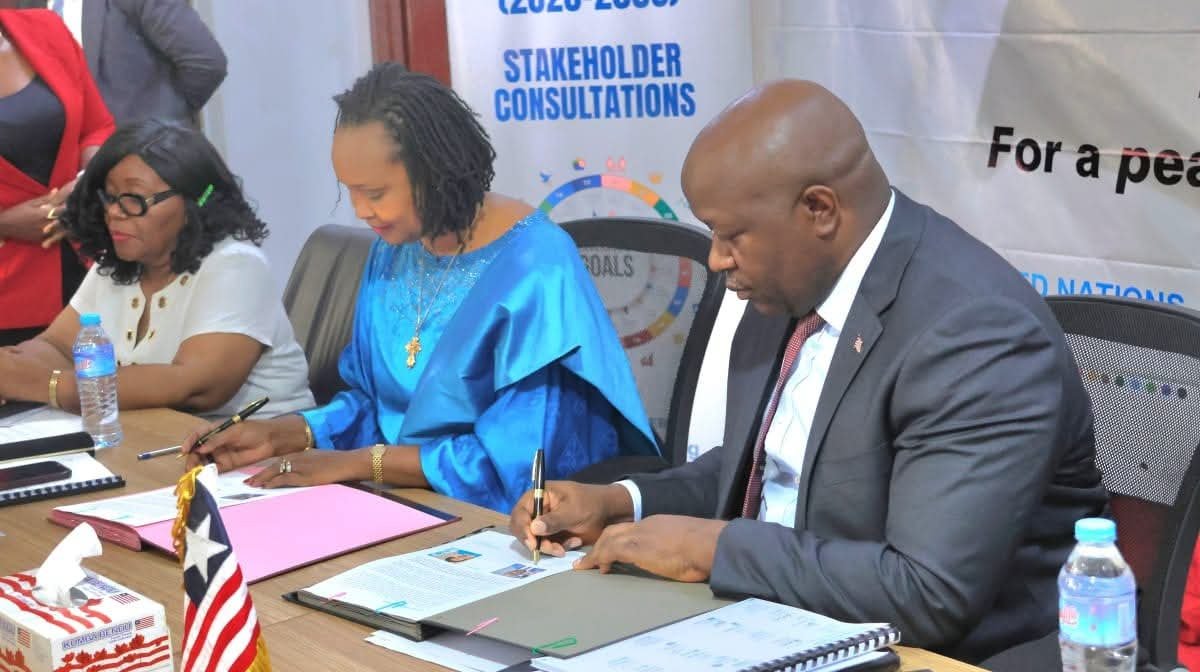
Monrovia— The Government of Liberia and the United Nations on Tuesday formally signed a new Cooperation Framework that will guide development assistance to the country from 2026 to 2030, reaffirming a strong partnership aimed at accelerating inclusive, resilient, and sustainable growth.
The signing ceremony took place at the Ministry of Finance and Development Planning and brought together senior government officials, members of the UN Country Team, and development partners.
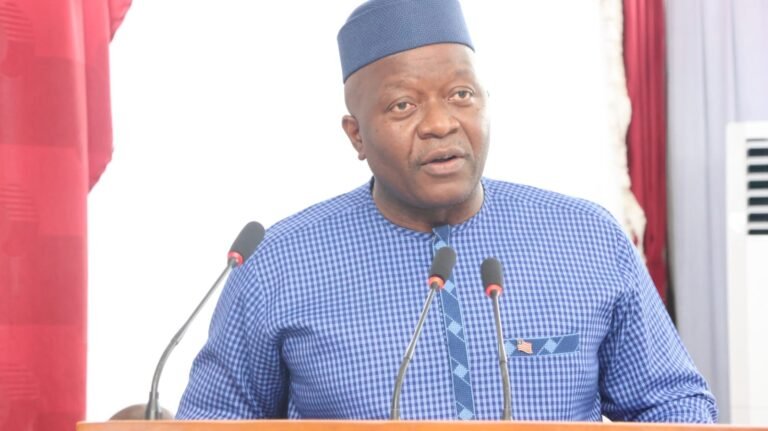
Speaking at the ceremony, Finance and Development Planning Minister, Augustine Kpehe Ngafuan described the partnership with the United Nations as one that has been tested and strengthened during recent difficult times.
“This year has been a tough year for a lot of us. The development architecture changed in dramatic ways, and Liberia faced strong headwinds,” Minister Ngafuan indicated. “At a time when some partners were retreating, the United Nations advanced toward us. That is when you truly know your good friends.”
Minister Ngafuan noted that the new Cooperation Framework represents not only “big numbers and big plans,” but also a renewed emphasis on execution and results. The framework carries an estimated resource envelope of US$883 million, some of which is already secured, with additional resources to be mobilized.
“A good building does not start with digging a hole; it starts with a good plan,” he emphasized. “Now the time for planning is over. This is the time for performance, implementation, and timely execution so that these commitments translate into real outcomes in our communities.”
Speaking earlier, United Nations Resident Coordinator Ms. Christine Umutoni said the signing marked a major milestone in the UN–Liberia partnership, as the previous Cooperation Framework comes to an end in 2025 and the new one takes effect in January 2026.
“This framework reaffirms our shared vision of a peaceful, inclusive, and prosperous Liberia where everyone—especially children, youth, women, and the most vulnerable—can realize their full potential,” Ms. Umutoni disclosed.
She emphasized that the framework is built on national ownership and mutual accountability, with the Government of Liberia providing leadership in setting priorities aligned with the country’s ARREST Agenda for Inclusive Development, Vision 2030, regional commitments such as Agenda 2063, and the Sustainable Development Goals.
According to the UN Resident Coordinator, the Cooperation Framework is anchored on three key priority areas- human capital development, good governance and the rule of law, and economic sustainability, all aimed at improving social services, strengthening institutions, and promoting inclusive, climate-resilient growth.
She added that the framework introduces flagship programs aimed at accelerating results, including education and skills for jobs, empowerment of adolescent girls, digital governance solutions, and climate-smart agriculture and resilient food systems.
To oversee implementation, a high-level steering committee co-chaired by the Minister of Finance and the UN Resident Coordinator will provide strategic guidance, supported by technical working groups.
The Government of Liberia and the United Nations acknowledged that the global development landscape is becoming more challenging, with traditional aid declining. As a result, the framework places strong emphasis on innovative financing, domestic resource mobilization, and strengthened partnerships to sustain development efforts.
Both the Government of Liberia and the United Nations pledged to work closely with civil society, local authorities, the private sector, media, and communities to ensure that the framework delivers tangible improvements in the lives of Liberians.
“As we sign this Cooperation Framework today,” Ms. Umutoni said, “the United Nations family commits to walking this journey with Liberia. Together, we will turn this vision into reality.”
The new Cooperation Framework will run from 2026 to 2030, positioning Liberia and the UN to deepen collaboration and accelerate progress toward national development goals.
About the Author