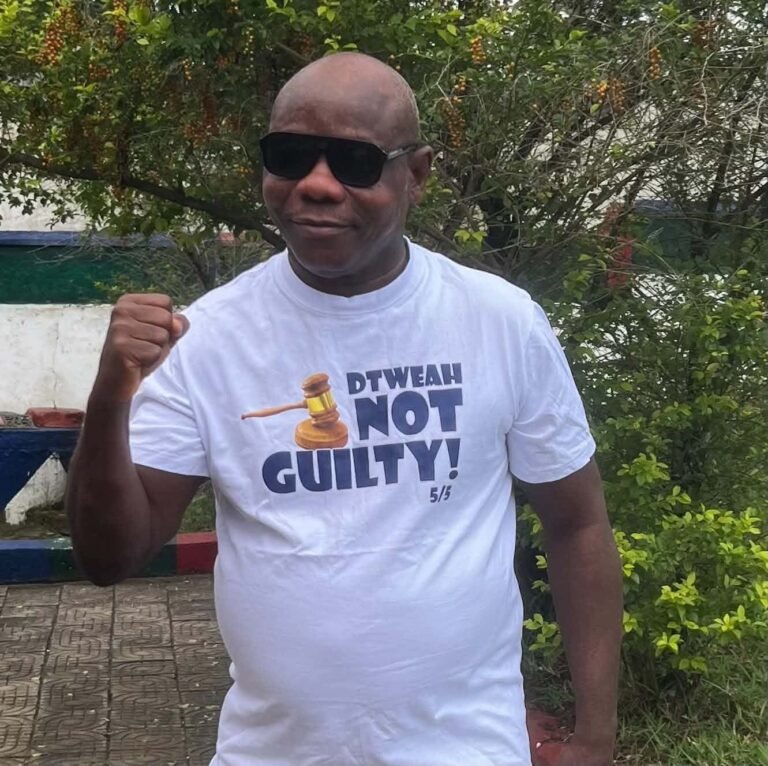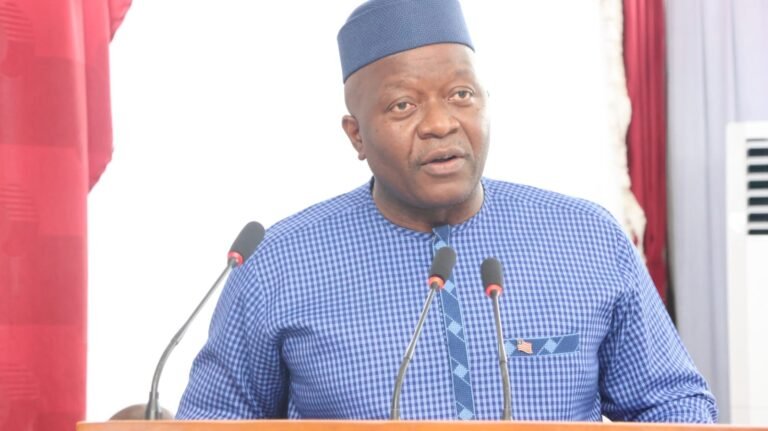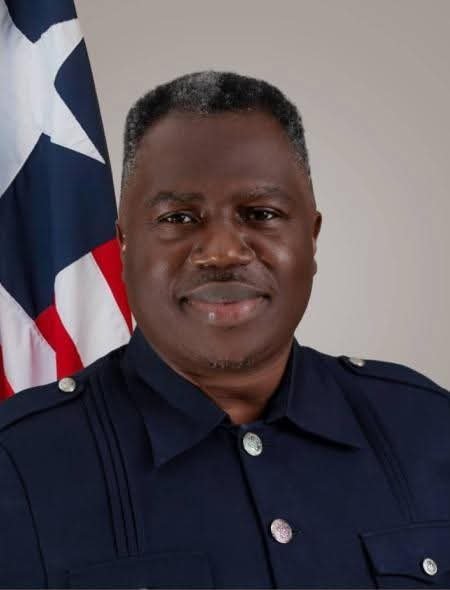
Monrovia, Liberia: — Fresh allegations are casting a dark cloud over the office of Liberia’s Vice President, Jeremiah Kpan Koung, as insiders at the Liberia Revenue Authority claim that the Chief of staff in the office of the Vice President, Prince Menkalo Gbieu on the instruction of the Vice President’s instruction is allegedly trying to use the country’s tax system to hunt down political and business enemies.
According to multiple sources connected to the LRA, pressure has been placed on workers inside the customs and tax divisions to secretly hand over sensitive financial records belonging to some of Liberia’s most influential businessmen and political figures.
The allegations paint a troubling picture of what is being described as a dangerous abuse of state power — where confidential taxpayer information could allegedly be weaponized against people seen as threats to the government’s growing political influence.
According to sources within the LRA, Prince Menkalo Gbieu has organized a team of five persons headed by Jerry M. Kpakor are secretly being planted to monitor the transaction of these companies and make report to the Chief of Staff in the office of the Vice President Prince Menkalo Gbieu.
According to sources at the LRA, Kpakor and his team entire responsibility is to create articles in the name of fake different pressure groups to attack the certain business tycoon and politicians on behalf of the Vice President.
It is reported the Vice President sees these guys targeted businessmen as enemies due to their stances on national political issues.
It is reported that the VP sponsor all these fake articles to strengthen his fake articles on prominent names such as Musa Bility, Samuel Kogar, Simeon Freeman, Alexander Cummings and Edwin Snowe — all figures with political and economic influence in Liberia.
The Reports say the Vice President proxy, Prince Menkalo is not happy with former Duty Free Manager Sando Raynes and customs supervisor Boima Monobah for not complying or follow the VP request to leak financial information of some Liberian businesses.
Sources allege the two men came under intense pressure after they reportedly refused to cooperate with requests for confidential taxpayer records protected under Liberian law.
Insiders further claim there were quiet threats that officials who refused to comply could lose their jobs or be replaced by individuals more loyal to powerful political interests of the VP.
Neither Raynes nor Monobah publicly confirmed the accusations when contacted, though both reportedly indicated they may speak out later if the need arises.
Importantly, journalists have not seen official documents or direct evidence proving that Vice President Koung personally ordered any unlawful requests for financial records but sources within the LRA and office of the VP confided journalists. However, the growing number of allegations is fueling public suspicion and political tension within the LRA and the country at large.
Critics say the accusations fit into a broader pattern of what they describe as Koung’s expanding grip over Liberia’s economic and political machinery.
Some political observers now fear that institutions meant to serve the public could allegedly be transformed into tools for intimidation and political score-settling by the Vice President.
“This is how state capture begins,” one political observer said privately. “When tax systems become political weapons, nobody is safe.”
Legal experts note that Liberia’s laws clearly protect taxpayer confidentiality. Under the LRA Act and Revenue Code, tax officials are generally prohibited from disclosing sensitive records such as tax returns, customs declarations, banking-related tax information, company financial statements, and personal taxpayer data unless authorized by law.
Such information can normally only be released during court proceedings, criminal investigations, official audits, or with the taxpayer’s consent.
Liberia’s Constitution also protects citizens and businesses from unlawful invasion of privacy.
While there is currently no public proof that confidential taxpayer information was illegally released, the allegations have intensified fears that political pressure may be creeping deeper into Liberia’s revenue and customs systems.
The Office of Vice President Jeremiah Koung has not publicly responded to the accusations despite questions from journalists.
As the controversy grows, many Liberians are now asking an uncomfortable question: Is the country’s tax authority still working for the law — or for politics?
About the Author