By Pewu Y. Sumo
Monrovia, Liberia: — In a major move to overhaul Liberia’s trade ecosystem, the Liberia Revenue Authority (LRA) officially launched the report of the National Time Release Study (TRS) of Liberia today at the Liberia Chamber of Commerce Headquarters. The TRS is a comprehensive, data-driven assessment conducted by the LRA in coordination with the World Customs Organization (WCO). It is aimed at measuring the actual time it takes for imported, exported, and transit goods to be cleared and released at the country’s major ports of entry—most notably the Freeport of Monrovia.
The comprehensive study establishes an official baseline for cargo clearance times at the Freeport of Monrovia, revealing that it takes an average of 12 days, 19 hours, and 42 minutes from the arrival of a vessel to the physical exit of cargo through the port gates.
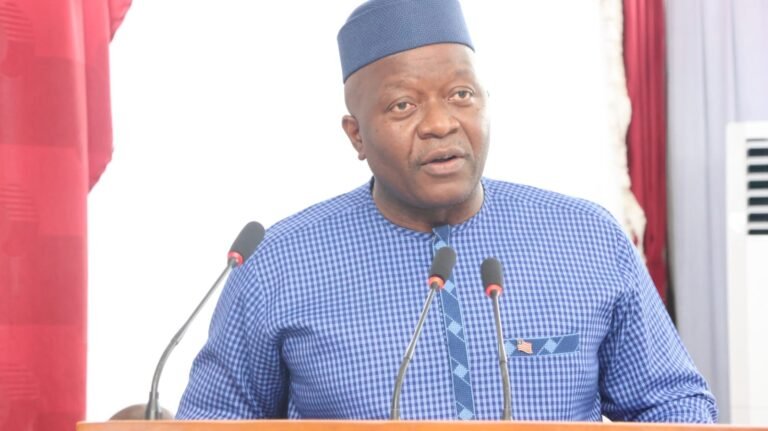
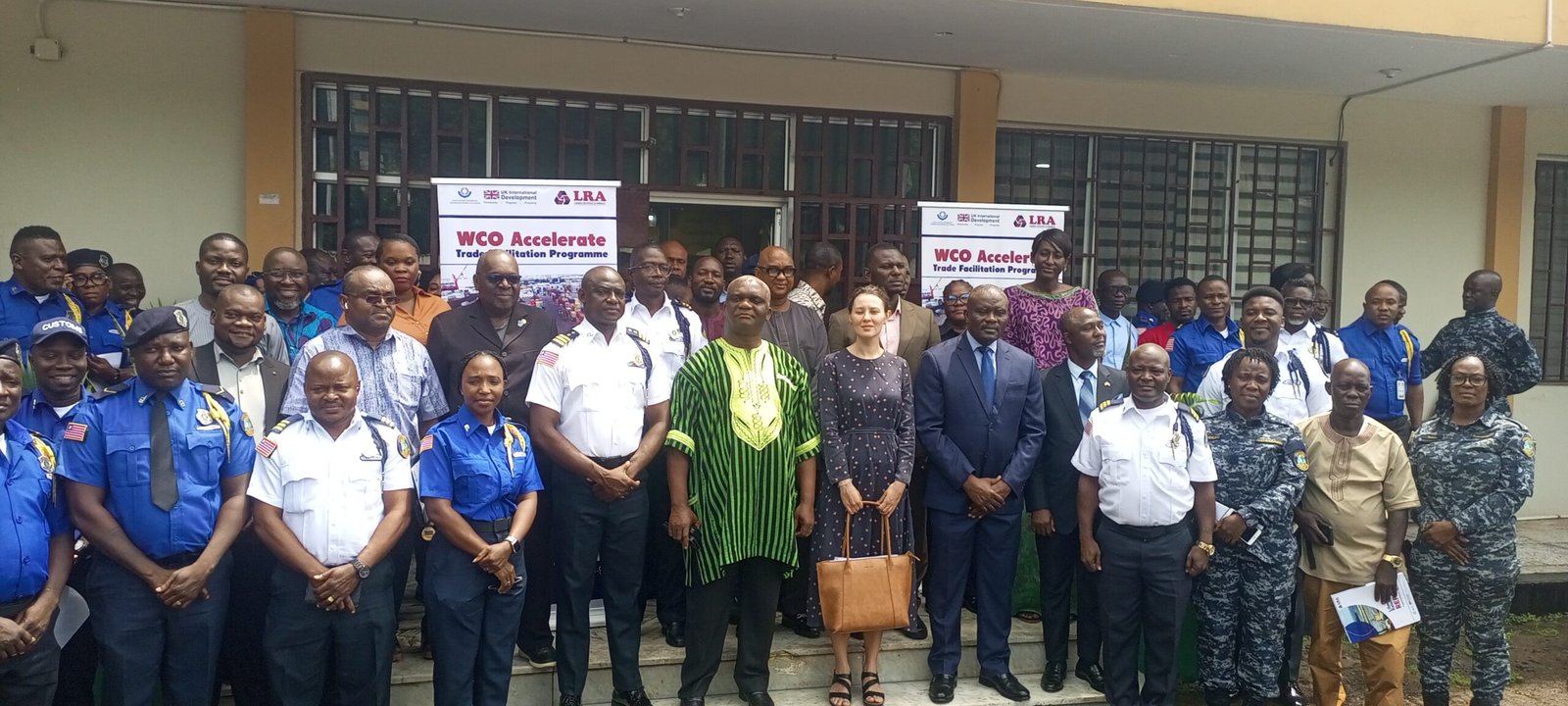
Addressing a high-level gathering of government officials, international diplomats, and private sector leaders at the official launch of the TRS in Monrovia, LRA Commissioner General James Dorbor Jallah characterized the report not as a failure, but as an honest “national mirror” and a vital baseline to systematically dismantle bureaucratic bottlenecks.
The Freeport of Monrovia handles over 90% of Liberia’s international trade, making its efficiency critical to the national economy. The study, which is the second in Liberia’s history and the first conducted in full alignment with WCO methodology, meticulously analyzed 670 import declarations.
Interestingly, the data reveals that the delays do not stem from the actual physical inspections conducted by customs officials.
“Our inspections conducted jointly with sister agencies take, on average, less than one hour, and exit gate processing takes barely 34 minutes,” Commissioner General Jallah revealed. “The delays, in other words, do not lie in the diligence of our officers at the point of examination; they lie in the spaces between institutions—in late manifests, in manual delivery orders, and in payment confirmations that travel by paper when they should travel by wire.”
By establishing this clear, internationally credible metric, Liberia fulfills its international obligations under Article 7.6 of the World Trade Organization (WTO) Trade Facilitation Agreement, which the country ratified in April 2021.
Rather than allowing the report to sit on a shelf, the LRA boss announced that major modernization projects are already in motion to “bend that yardstick decisively downward.”
Currently, a new destination inspection facility is under construction at the Freeport of Monrovia. This purpose-built facility will be equipped with modern, non-intrusive inspection technology. It will bring all key clearance agencies under a single roof, replacing fragmented schedules with a swift, single joint examination.
Furthermore, a technical team from the United Nations Conference on Trade and Development (UNCTAD) is currently in the country to help the LRA upgrade its electronic customs backbone by upgrading the ASYCUDA system. The system will become fully interoperable with commercial banks, the Central Bank of Liberia, and the Liberia Integrated Tax Administration System (LITAS). This will allow payment confirmations to reflect in real-time rather than via physical paper receipts.
Digital connectivity has also been deployed to every Customs Business Office across the country, allowing clearing agents in leeward counties to lodge declarations and pay duties electronically without traveling to Monrovia.
These initiatives are enshrined in the LRA Corporate Strategic Plan 2025–2029 and directly align with the Government of Liberia’s ARREST Agenda for Inclusive Development.
Commissioner General Jallah emphasized that fixing port delays is a “relay race” that the LRA cannot win alone. He issued a candid call to action to all stakeholders across the logistics chain, including shipping lines, terminal operators (APM Terminals), importers, and brokers.
Under the leadership of the Liberia National Trade Facilitation Committee, a time-bound implementation plan and monitoring framework will track quarterly progress ahead of the next planned Time Release Study.
Concluding his address, CG Jallah struck a patriotic and determined note: “Every hour we remove from the clearance of a container is a victory for the market woman, the manufacturer, the farmer, and the family. The Liberia Revenue Authority stands ready—measured, modernizing, and unrelenting—until the movement of goods through our ports reflects the ambition of our people.”
Also speaking at the launch, Deputy Commerce Minister for Commerce and Trade Services, Hon. Wilmont A. Reeves, who proxied on behalf of his boss, Hon. Magdalene E. Dagoseh, commended the LRA, WCO, development partners, and all stakeholders who made the initiative a reality.
“Today’s launch is about far more than a report,” Min. Reeves stated. He noted that the launch of the TRS signifies a collective commitment to transforming the way trade is conducted in Liberia.
For her part, Deputy UK Envoy to Liberia Ms. Joana Markbreiter said the TRS is more than just a technical assessment. According to her, the initiative provides a detailed look at how goods for trade and commerce move through the Freeport of Monrovia, identifies areas where delays occur, and offers practical recommendations to strengthen customs procedures and broader processes.
The Deputy UK Envoy expressed her government’s pride in supporting the report.
With the official launch of the TRS, Liberia has made another great leap forward in implementing one of several international protocols for a flourishing economy.
About the Author