By Pewu Y. Sumo
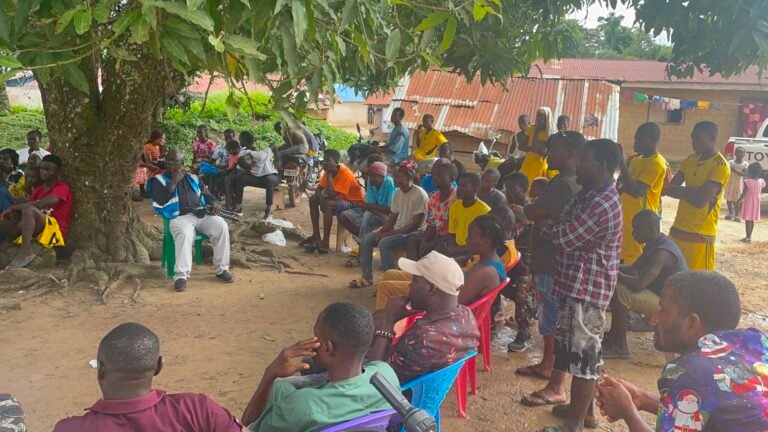
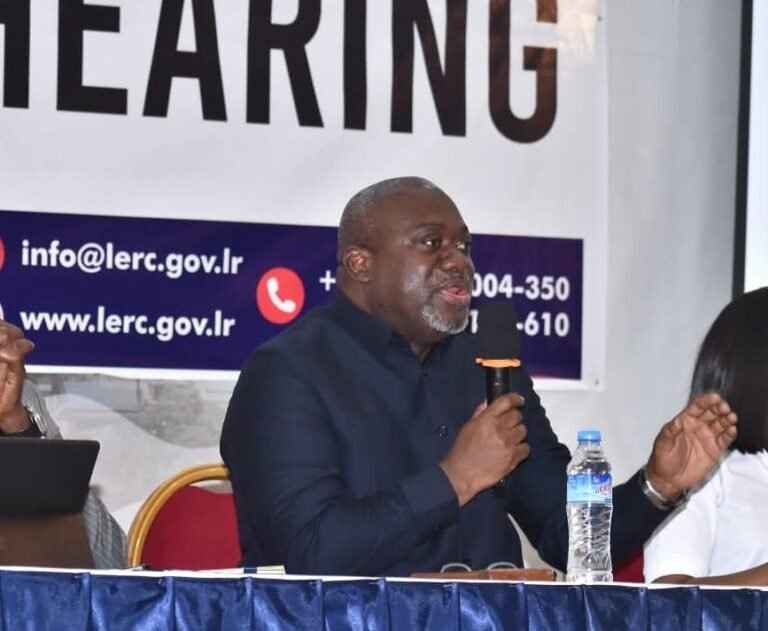
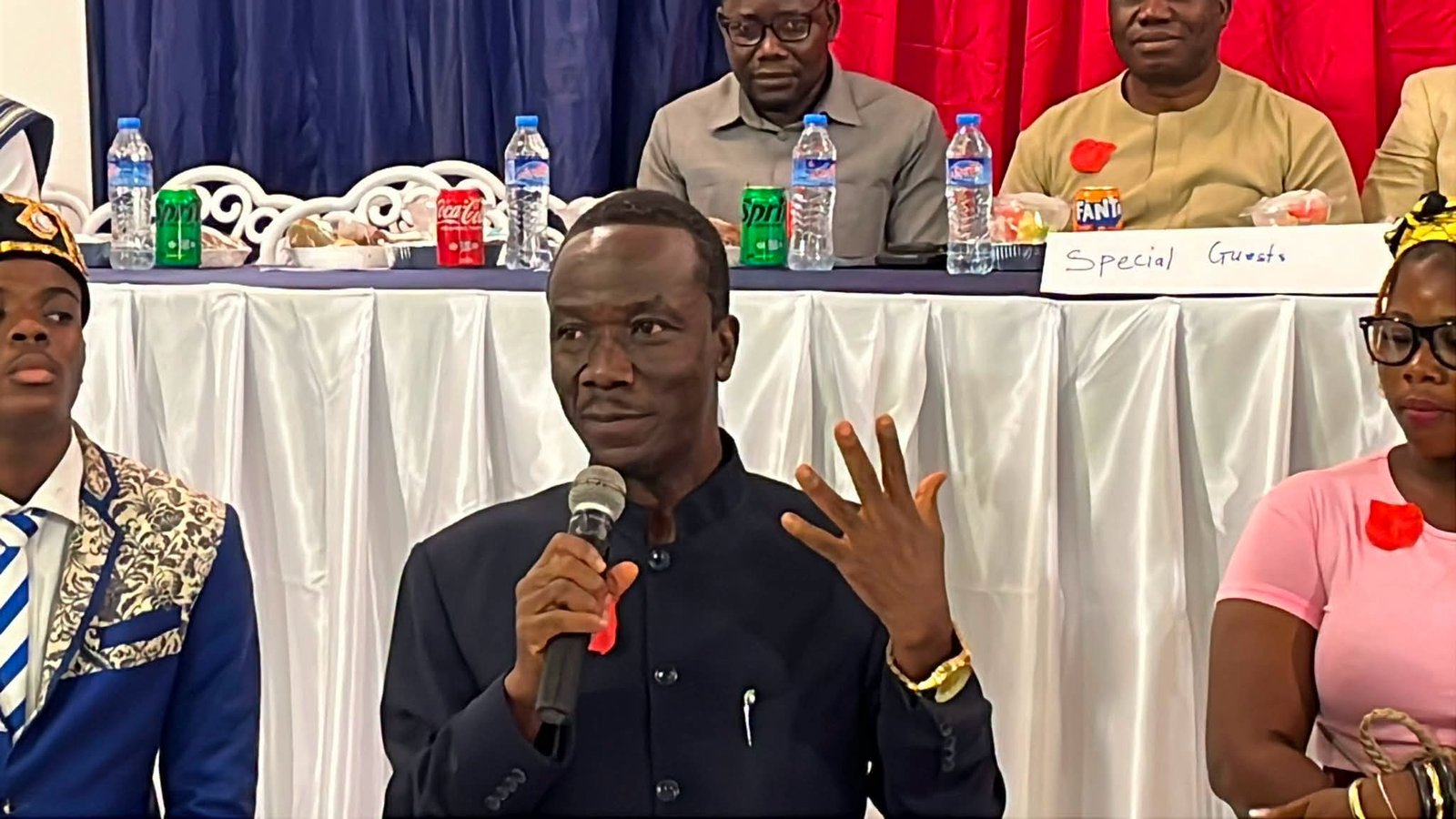
Paynesville, Montserrado – Former Minister of Mines and Energy, Wilmot J.M. Paye, has issued a stark warning regarding the rapid depletion of Liberia’s non-renewable natural resources. Speaking directly to leaders, lawmakers and citizens of Nimba County at the official induction ceremony of newly elected officials of Nimba Kwado in Paynesville on Sunday, August 2, 2026, Paye cautioned that if immediate corrective actions are not taken, Nimba County risks completely exhausting its high-grade iron ore deposits within the next 15 years.
The former minister urged county authorities and national leaders to aggressively prioritize the interests of Liberian citizens over foreign entities, stressing that the country must reclaim custody of its mineral wealth to combat pervasive poverty and economic stagnation.
Paye emphasized that while Liberia is famously endowed with rich natural resources, its mineral assets are non-renewable and finite. He noted that Nimba County holds a massive, strategic portion of the nation’s iron ore wealth, which is currently being drained without proportional benefits returning to the population.
Addressing long-standing claims regarding the difficulty of tracking export volumes, Paye explicitly debunked assertions that Liberia cannot independently verify the quantity of iron ore leaving its borders.
“If anybody tells you that it is impossible for Liberia as a country to determine the volume of iron ore that is shipped out of this country, tell them it is a lie,” Paye declared. He explained that the train wagons transporting ore from Tokadeh to the port of Buchanan are fully calibrated, meaning the exact weight and volume are established from the onset.
According to the former Mines & Energy Minister, the failure to accurately account for these exports is not a technical limitation, but rather a direct consequence of corruption.
Socio-Economic Realities and the Illusion of Foreign Capital
In a passionate critique of current resource governance models, the former minister linked poor resource management to the country’s severe unemployment and stability crises. He noted that widespread poverty directly undermines national unity, pointing out that even citizens holding advanced and master’s degrees are unable to find gainful employment.
“Poverty cannot negotiate; you cannot negotiate with poverty,” Paye stated, warning leaders against asking hungry citizens to remain patient for future prosperity while foreign corporations export billions of US dollars from the country.
Paye also demystified the operations of multi-national mining firms entering Liberia, including major players like ArcelorMittal, Bea Mountain, and Western Cluster. He asserted that these corporations do not inherently bring massive cash reserves into the country.
Instead, they rely on securing concession rights granted by the Liberian government.
Once these rights are secured and mineral assets are verified through feasibility studies, the companies use Liberia’s own resources as collateral to obtain multi-million-dollar loans from international banks.
A Call for Economic Independence
Drawing a historical parallel to neighboring Guinea, Paye highlighted how President Sékou Touré famously rejected French colonial oversight in the mid-20th century. While contemporary critics viewed the move as naive, Paye argued that Guinea is currently reaping the benefits of that sovereignty by securing highly favorable mining deals.
In his closing remarks, the former Minister challenged Liberian Senators and the people of Nimba County to shift away from foreign dependency. He reminded leaders that global institutions like the World Bank, the United Nations, and the African Union do not owe Liberia a living.
“We owe a living to ourselves, to this generation and the next generation,” Paye concluded, calling for immediate, serious governance reforms to ensure the country takes full charge of its economic destiny.
About the Author