In Liberia today, we live with a dangerous contradiction: theft has been legalized. By this, I mean that while certain payments or practices may carry the seal of government approval, they are in truth nothing more than an organized deprivation of the people. The mere fact that money is appropriated in the budget or authorized by statute does not change its character when it enriches a few while impoverishing the many.
High salaries for public officials in a country where the majority cannot afford daily meals, extravagant state banquets, endless convoys, and bloated delegations to foreign conferences are all examples of legalized theft.
They are “legal” only because those who benefit have the power to make them so. But they are theft because they drain resources from schools, hospitals, roads, and agriculture, the lifelines of ordinary Liberians.
The so-called “rescue mission” has failed to halt this legalized theft. Instead of curtailing waste, it has entrenched it. It has shown no political will to fight legalized theft. Even worse, the outsourcing of core government functions under dubious arrangements, such as handing over work permit processing to CETIS, a Slovenian company reportedly pocketing 40% of the collections, strips the state of sovereignty and robs the Liberian people in broad daylight. The more permits this company issues, the more money it takes, and the more non-Liberians occupy jobs meant for Liberians. The result: the richer the company grows, the poorer Liberians become. Yet, there is no showing that there is any Liberian working in Slovenia. This is legalized theft disguised as policy.
Legalized theft is not confined to government. The imposition of huge graduation fees, in some cases hundreds of United States dollars, when not even a bottle of water is given to the graduates on their big day, is another form of legalized theft. It is exploitation made to look normal, draining families who are already struggling to educate their children.
Legalized theft may not look like the snatching of a purse on Benson Street, but its consequences are far worse. It is the quiet violence that produces mass poverty, unemployment, hopelessness, and human suffering. Until Liberia confronts legalized theft with the same seriousness as petty corruption, our people will remain rich in resources but poor in life.
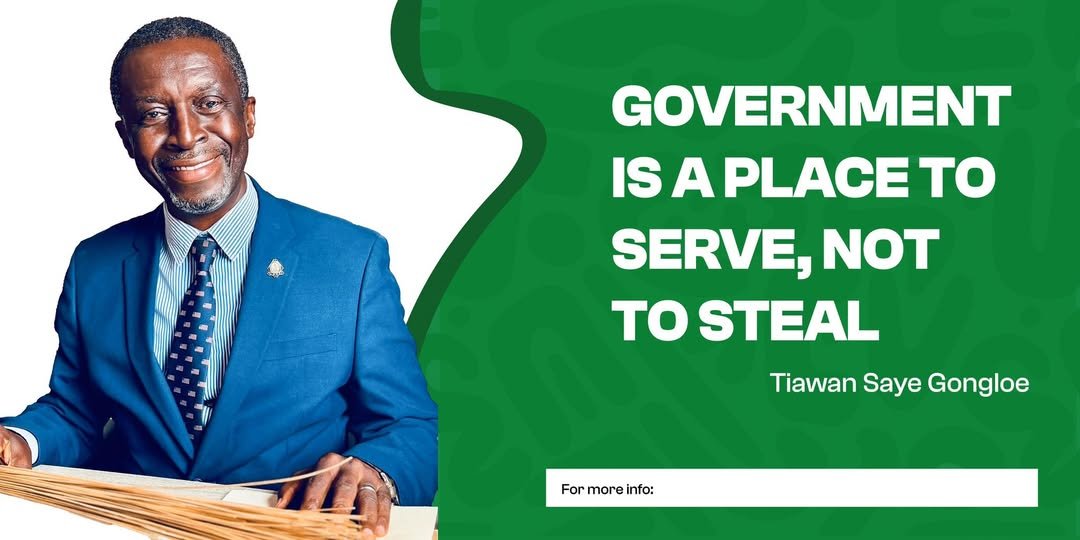
Government is a place to serve, not to steal.
About the Author