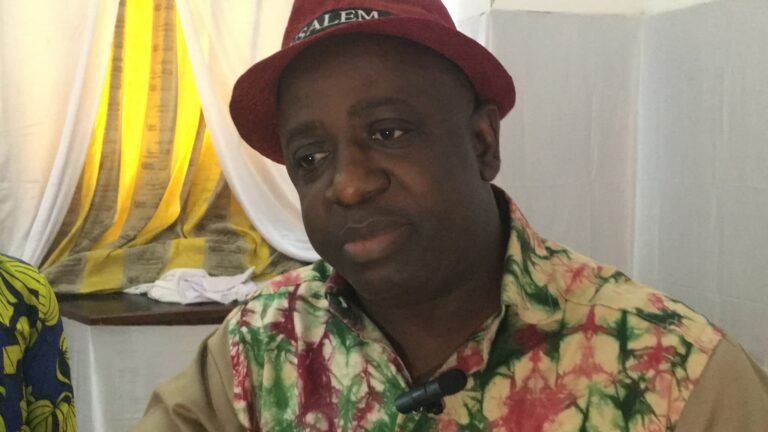
Monrovia – In a bold move to address Liberia’s escalating road accident crisis, the National Safety Partnership of Liberia (NASAPAL), in collaboration with WoGeS Holdings Liberia, Inc., has officially launched a nationwide road safety training and awareness campaign.
The initiative, announced by NASAPAL and WoGeS Holdings Chief Executive Officer, Mr. Philip E.P. Woods II, will roll out a “Train-the-Trainer” program to empower certified driving instructors with advanced techniques for educating both motorists and motorcyclists across the country. The program aims to create a new generation of safety-conscious drivers equipped with life-saving skills.
NASAPAL, a Liberian non-profit dedicated to public safety, is spearheading the effort, while WoGeS Holdings—through its subsidiary, the Liberia Motorcycle Safety Training Program (LIBMSP)—will partner with established driving schools nationwide to deliver intensive, world-class training.
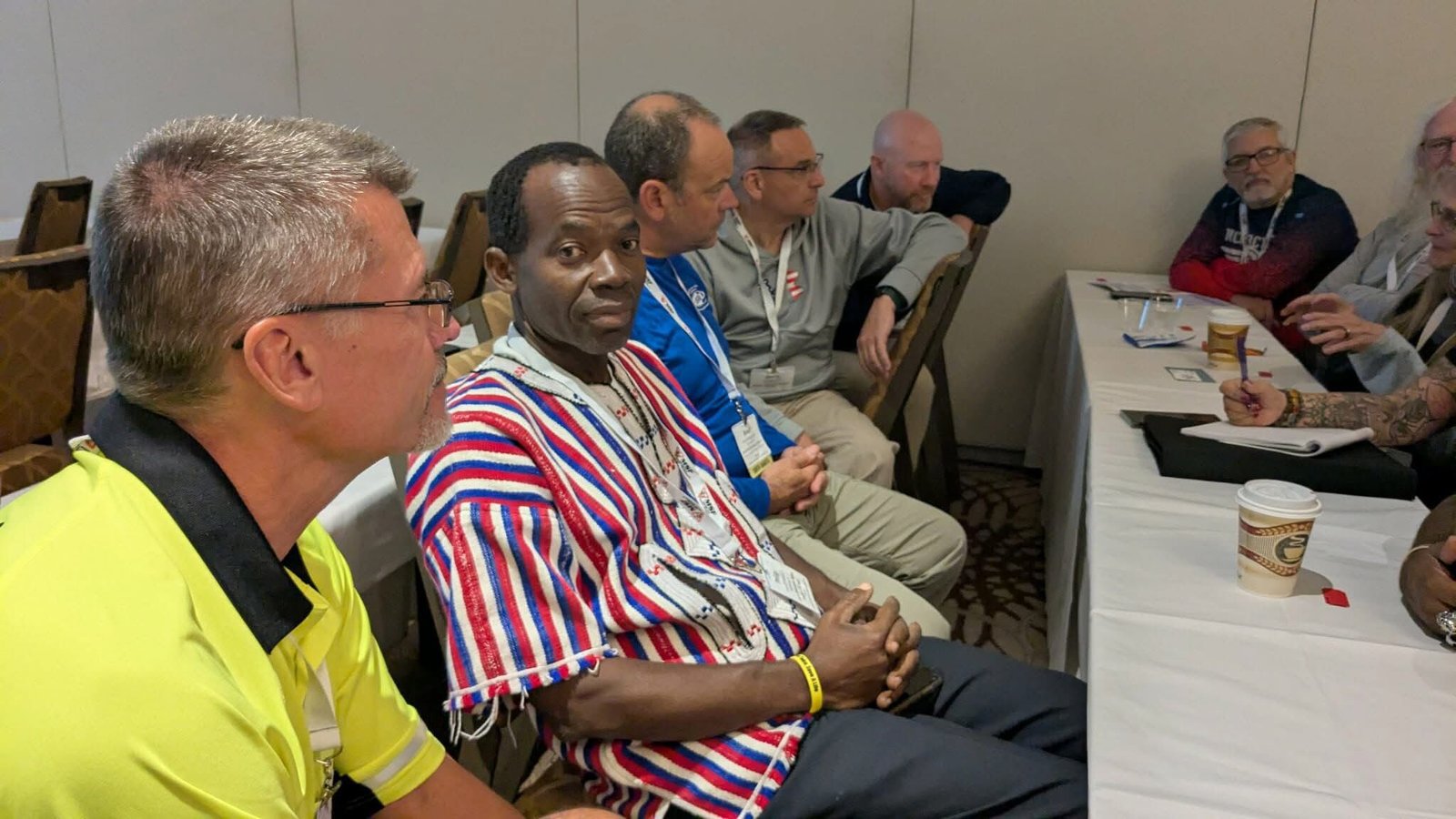
Mr. Woods described the campaign as a turning point in his long-standing mission to reform Liberia’s road safety culture. He revealed that he recently represented Liberia at the prestigious State Motorcycle Safety Association (SMSA) Conference in the United States, where he brought international attention to Liberia’s urgent road safety challenges.
During the conference, Mr. Woods secured a strategic partnership with Total Control Training, Inc. (TCTI)—a leading U.S.-based motorcycle safety institution headed by global safety expert and retired professional racer Mr. Lee Parks. Parks has pledged his support to Liberia’s efforts, with more details of the collaboration expected in the coming weeks.
Citing United Nations statistics that over 1.3 million people die annually in road accidents, Mr. Woods warned that Liberia cannot remain complacent.
“Liberia is no exception to this global crisis. We must act decisively and immediately. This is not just about accidents—it’s about saving lives and securing the future of our communities,” he stressed.
Mr. Woods underscored that Liberia’s road safety crisis requires a holistic and inclusive approach involving government, private sector actors, civil society, and international partners.
He further recalled his commitment made in 2011, after being inspired by U.S.-style road safety programs, vowing to provide Liberia with world-class tools to curb preventable road tragedies.
The NASAPAL CEO also commended the Boakai administration for introducing road safety education into the national school curriculum, calling it a “groundbreaking step toward building a culture of responsibility among the next generation.”
He urged the government to strengthen the Public-Private Partnership (PPP) framework initiated in 2006, stressing that citizen-led initiatives such as NASAPAL and LIBMSP can only thrive when backed
About the Author