[By: Pewu Y. Sumo]
Monrovia — Nimba County District #9 Representative Taa Wongbe has raised concerns over a potential threat to health data protection, urging full scrutiny of the recently signed Memorandum of Understanding (MOU) with the U.S. government, valued at up to $176 million.
Rep. Wongbe, through a statement on his official Facebook page today, argued that while “Liberia’s health system must improve, but not at the cost of our sovereignty,” he cautioned, “Transparency strengthens trust, and trust strengthens partnerships.”
The Nimba lawmaker welcomed the historic $176 million health MOU between the Republic of Liberia and the United States but called for “the full truth” regarding the agreement’s details.
This investment, which includes up to $125 million in direct U.S. support and nearly $51 million in required Liberian co-financing, has the potential to significantly advance Liberia’s national health goals.
“Our shared history with the United States is long, meaningful, and rooted in partnership that has strengthened our health systems and saved countless Liberian lives,” Wongbe stated. He stressed, however, that partnership does not replace responsibility.
“As leaders, our duty is not only to embrace opportunities that improve public health; it is also to protect the Liberian people and safeguard our national sovereignty, especially when an agreement touches sensitive areas like digital health systems, electronic medical records, disease surveillance, and data governance.”
The representative highlighted Liberia’s vulnerability due to the absence of a comprehensive national data protection law. He asserted, “When an agreement involves electronic medical records, national surveillance systems, or outbreak data, we must be extremely careful: health data is not just numbers; it is national security, privacy, and dignity.”
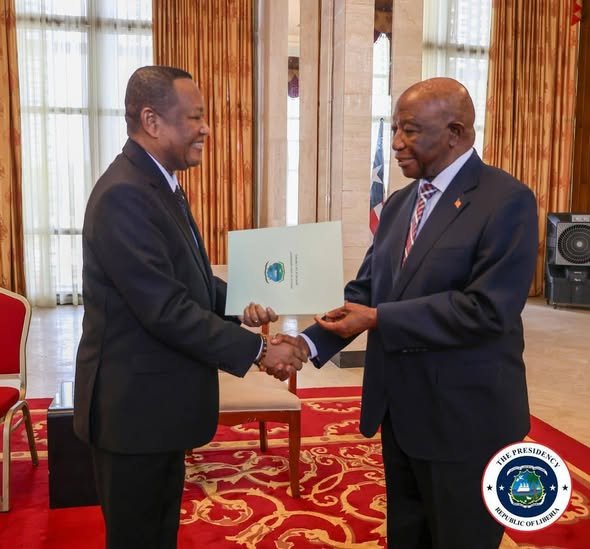
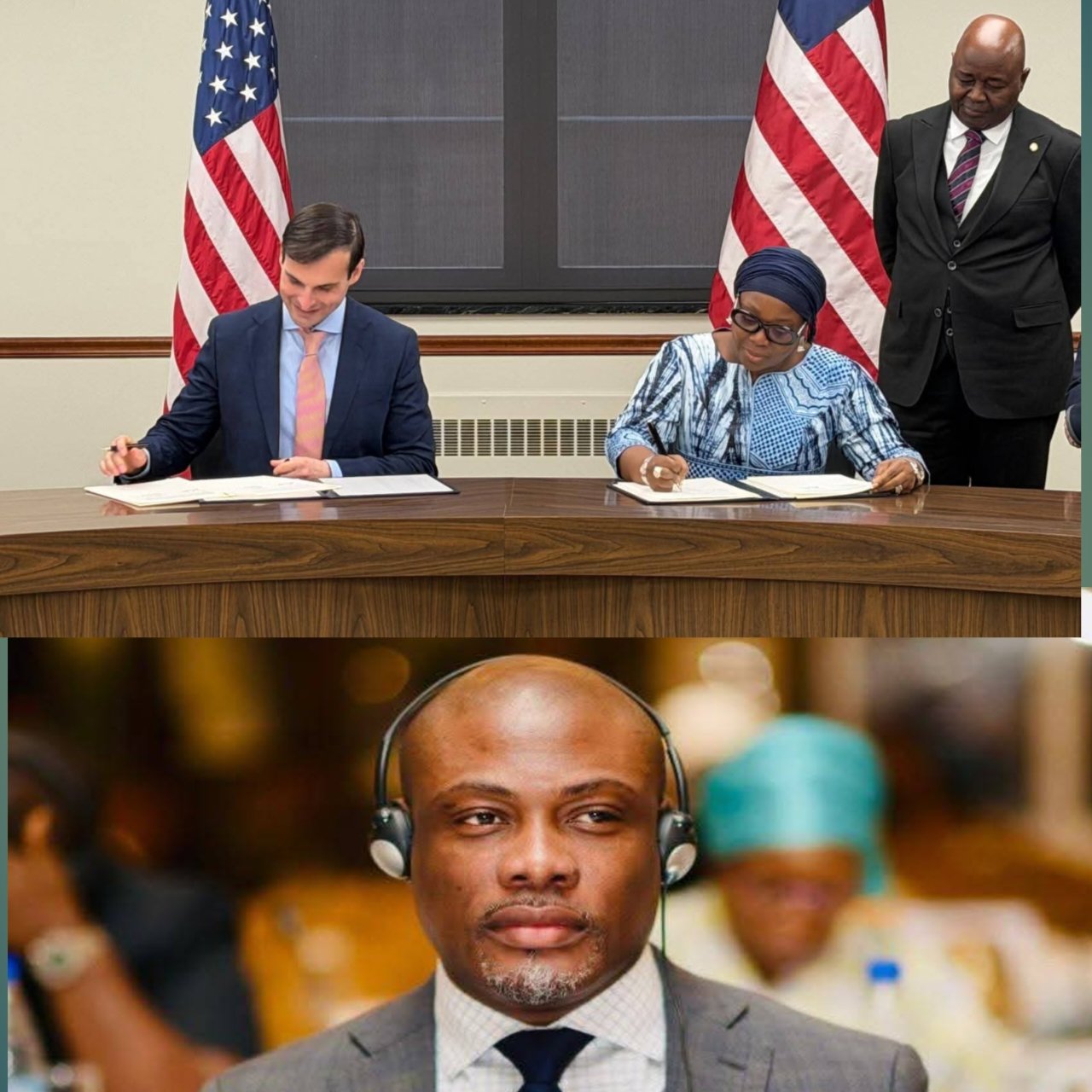
Rep. Wongbe’s warning follows the recent announcement by the Ministry of Foreign Affairs that the governments of Liberia and the United States have signed an MOU to strengthen Liberia’s health system, with the package estimated at $124 million in U.S. support.
About the Author