Monrovia– The much talked about debate in Liberia, the war against drugs has ignited a strong statement from Montserrado County District 8 Representative Prince Aquency Toles, who has declared that the country’s escalating drug crisis requires a “fire for fire” response. In a public post, the Montserrado County lawmaker laid out a radical three-pronged approach, including the reintroduction of capital punishment for drug importers, to combat what he calls a “national emergency.”
Representative Toles’ post acknowledges that the roots of the current drug pandemic can be traced to the “old order,” a reference to previous administrations. However, he insists that it is now incumbent on the current government to take decisive and “harsh measures” to save the nation’s youth and future. “This cannot be achieved through half-measures,” Rep. Toles said on his Facebook page. “To succeed, we require a patriotic commitment to penalties that will ultimately save the state.”
The core of Rep. Toles’ proposal is a dramatic shift in how Liberia prosecutes drug offenses. His plan calls for:
Capital Punishment for Importers: Arguing that drug importers are bringing “poisonous chemical weapons of mass destruction” into the country, The Montserrado County District 8 Representative is advocating for the death penalty for those at the top of the supply chain.
Severe Penalties for Dealers: He also proposes “severe criminal penalties” for dealers, suggesting a significant increase in the current prison terms for those involved in street-level distribution.
Improved Rehabilitation Systems: While his stance on traffickers is punitive, Rep. Toles also recognizes the need for a humanitarian response, calling for “improved systems to rehabilitate drug abusers.”
The post by Rep. Toles has generated significant discussion, with some citizens and policymakers supporting the aggressive approach as a necessary deterrent, given the visible and devastating impact of drug abuse on communities, particularly among the youth. However, the proposal for capital punishment is likely to face strong opposition from human rights organizations and international partners given Liberia is signatory to several international bodies for human rights.
Liberia has not carried out an execution in decades, and a move to reintroduce the death penalty, especially for non-homicidal crimes, would be a major policy and legal shift.
Rep. Toles’s call for the armed forces, justice, and judiciary to respond with “unwavering resolve” signals his belief that the drug crisis has gone beyond a policing issue and is now a matter of national security. He concludes his post with a plea for ownership of the problem, stating, “There is no alternative if we are to take ownership of this crisis and resolve it.”
The post from Representative Toles has set the stage for a potentially contentious legislative battle and a broader national conversation on the best path forward to reclaim the country’s future from the grip of this public health and security emergency.
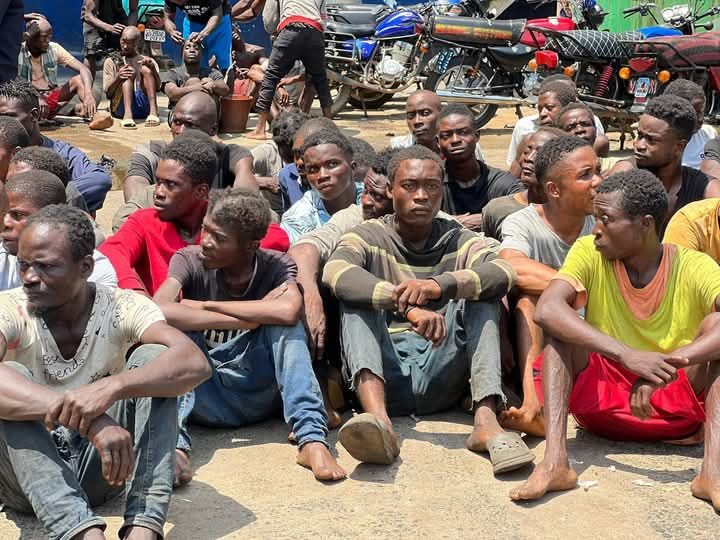
Citizens from various communities across Liberia have joined the fight against drugs and substance abuse since the “August 7, 2025 Say No To Drugs” rally with several ghottos across Liberia raided, signaling the willingness by citizens for an end to the pandemic.
About the Author