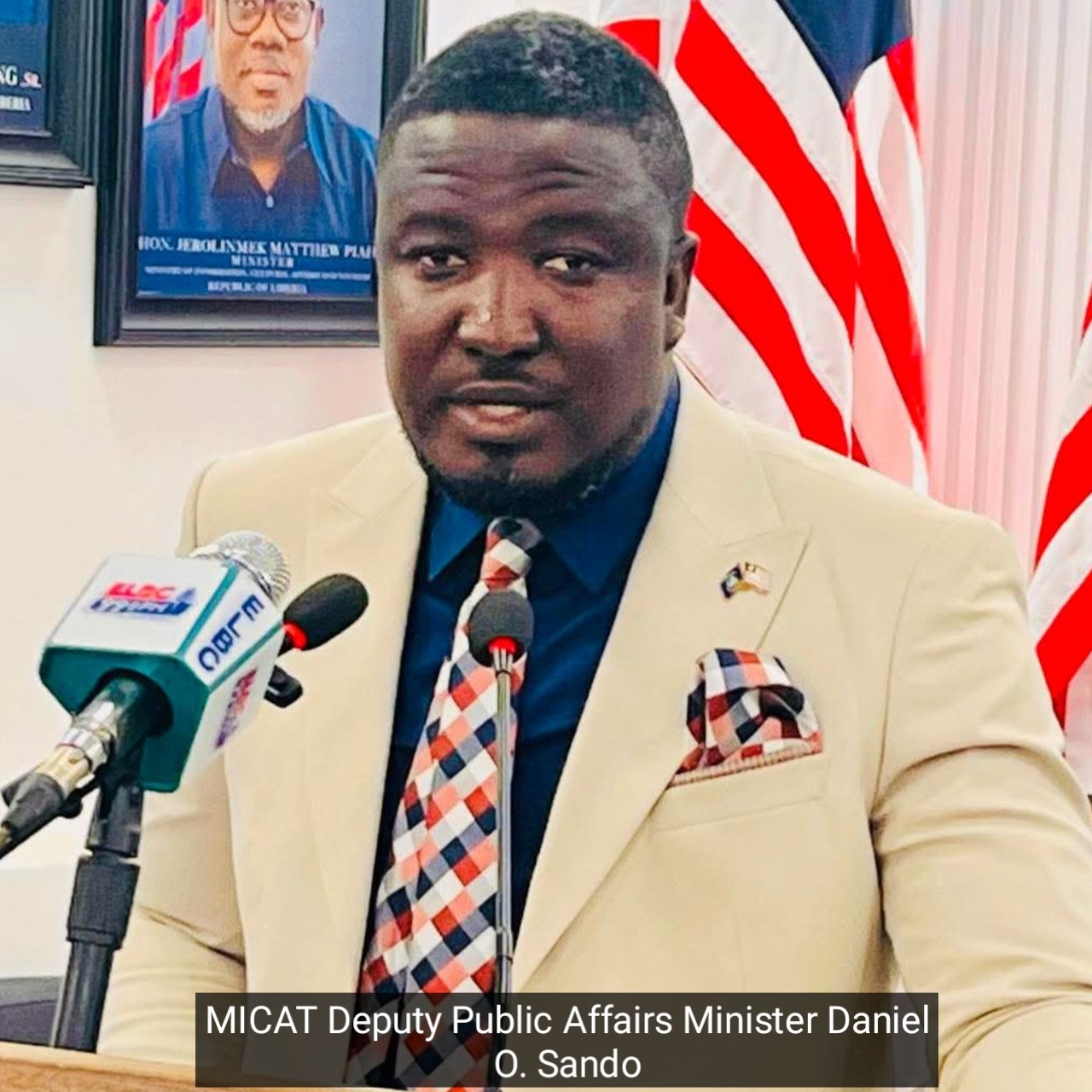
[Opinion by Deputy Minister for Press and Public Affairs at the Ministry of Information, Cultural Affairs and Tourism Daniel O. Sando]
Comments by some in the opposition attempting to downplay the recent U.S. visa extension for Liberians are both disappointing and deceitful. The three-year multiple-entry visa granted by the United States is not a handout. It is a recognition of strengthened bilateral ties and growing confidence in Liberia’s governance. This decision carries clear economic value: reduced travel costs, expanded business and educational opportunities, and increased trade and investment prospects. Liberians who travel frequently for business, studies, or family matters will now save both time and money while contributing to foreign exchange inflows and domestic economic growth.
Under the Trump administration, countries such as Libya, Somalia, Sudan, Chad, Eritrea, Nigeria, and Ghana faced travel bans or downgraded visa privileges due to governance, security, or immigration concerns. In addition, over thirty African nations were placed under review and given strict deadlines to meet U.S. documentation and deportation cooperation standards or risk being added to the restricted list.
In that context, Liberia’s success in securing a three-year multiple-entry visa arrangement stands out as a genuine diplomatic achievement. It shows that Liberia is not among the countries penalized for poor governance or weak cooperation. Instead, the nation is now recognized as a reliable and reform-minded partner. Without political bias, this milestone reflects a positive shift: a country once under suspicion now earning renewed trust. How can that not be considered a win?
By contrast, during the Weah-led CDC administration, Liberia’s foreign image suffered greatly. Rampant corruption scandals, allegations of sexual assault against the country’s chief diplomat, the sale of diplomatic passports, and U.S. sanctions against senior officials seriously damaged the country’s credibility abroad. The new visa regime, therefore, marks a clear reversal of that trajectory: instead of facing tighter scrutiny and restrictions, Liberians now enjoy greater access and mobility. That is a visible sign of improved trust from the world’s leading democracy.
Rather than trivializing this diplomatic breakthrough as “food for the hungry,” partisan opportunists in the so-called opposition should explain what tangible foreign policy achievements they themselves delivered while in leadership. Beyond sanctions, scandals, and reputational damage, where is the record of diplomatic success that strengthened Liberia’s standing in the world? Until they can answer that question, their criticism rings hollow.
About the Author