Abuja, Nigeria – Liberia’s Assistant Minister for Planning and Manpower Development at the Ministry of Labour, Hon. Emmanuel K. Barnes, has called for greater investment in skills development and apprenticeship programs across Africa to improve employment opportunities and strengthen the continent’s workforce.
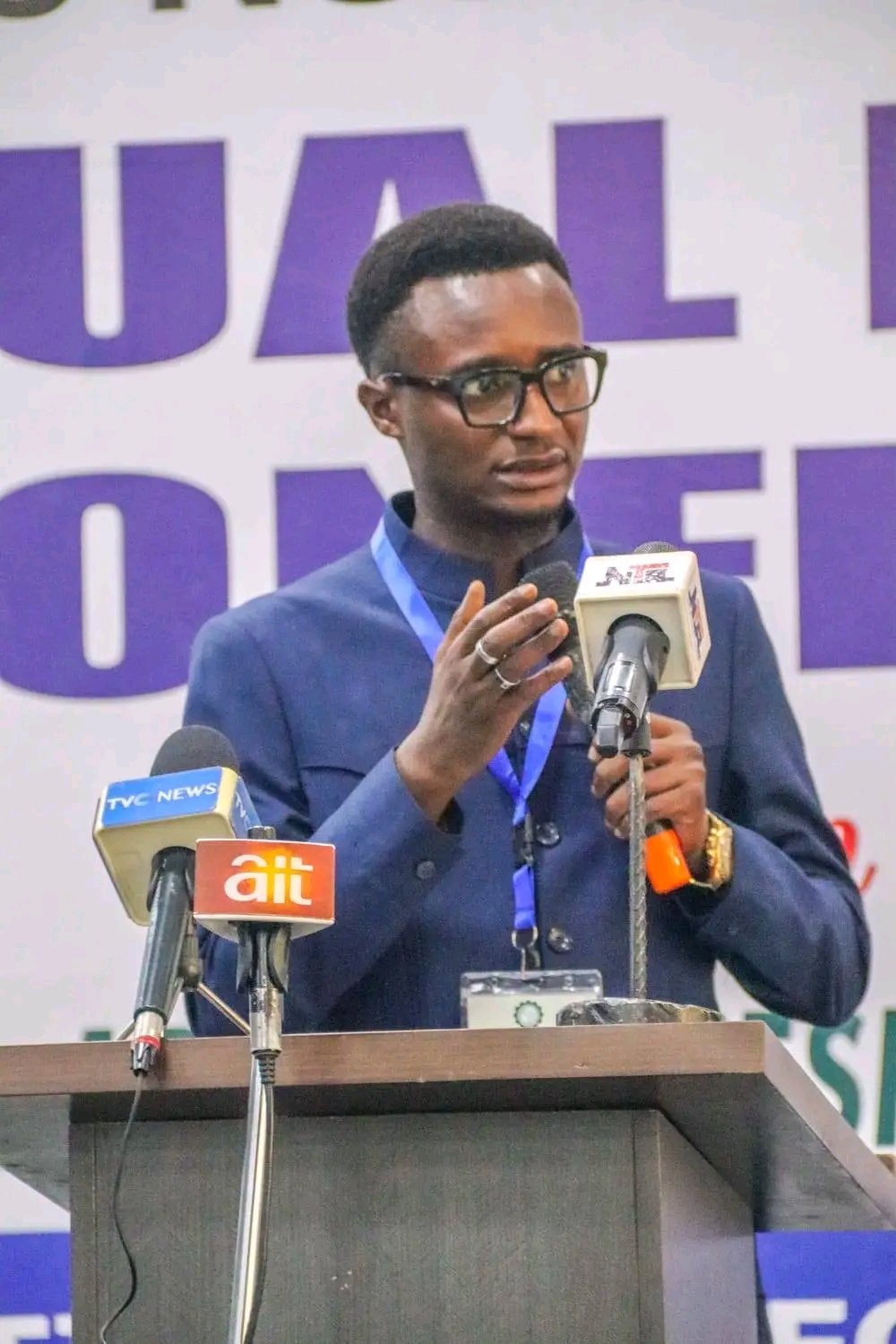
Minister Barnes made the call while delivering opening remarks on behalf of Liberia at the Sub-Saharan Africa Skills and Apprenticeship Stakeholders Network (SASASNET) 3rd Annual Regional Conference in Abuja, Nigeria.
The conference is being held under the theme: “Scaling Apprenticeship for Decent Work in Quest for Quality Skills Development in the Informal Economy.”
Addressing delegates from across the continent, Minister Barnes emphasized the importance of recognizing workers in the informal sector, noting that the majority of Africa’s labor force is employed within the informal economy. He stressed that governments and development partners must prioritize policies and programs that enhance skills development and improve working conditions for informal sector workers.
The Liberian official also advocated for the standardization of technical and vocational education curricula across African countries. According to him, harmonized training standards would facilitate labor mobility across the continent and create economic opportunities for skilled workers seeking employment beyond their national borders.
“As Africa continues to pursue economic integration, there is a need for a systematic approach to skills development that prepares workers for opportunities both at home and across the region,” he noted.
Minister Barnes further served as a panelist during discussions on the implementation, financing, and coordination of quality apprenticeship programs. During the session, he underscored the need for stronger inter-ministerial collaboration in addressing skills development challenges facing African nations.
He argued that without effective coordination among government ministries and agencies, efforts to scale up apprenticeship and vocational training initiatives would achieve limited success. He also highlighted the importance of increased government funding for technical and vocational education while encouraging private sector institutions to provide apprenticeship, internship, and cadetship opportunities for young people.
The panel discussion was moderated by Ms. Christine Hoffmann, Head of the African Skills Hub at the International Labour Organization (ILO) Regional Office in Abidjan.
On the second day of the conference, Minister Barnes participated in another panel discussion on the topic: “Linking Apprenticeship with Wage Employment, Self-Employment, Enterprise Upgrading and Business Incubation.”
During the discussion, he emphasized the importance of mentoring young people in areas such as business development, financial management, problem-solving, networking, and marketing. He noted that technical skills alone are insufficient for entrepreneurial success if they are not complemented by business and leadership competencies.
According to him, equipping young people with both technical and entrepreneurial skills will enhance their ability to create sustainable businesses and contribute meaningfully to national economic growth.
The conference also features several side discussions and technical sessions aimed at strengthening apprenticeship systems, promoting decent work, and ensuring that participating countries derive maximum benefits from skills development initiatives across the continent.
Liberia’s participation in the conference underscores the country’s commitment to advancing workforce development and creating opportunities for young people through technical and vocational education.
About the Author