Monrovia, Liberia: — The Governance Commission (GC), in strategic partnership with the National Civil Society Council of Liberia (NCSCL), successfully convened a high-level, one-day policy validation session on June 23, 2026, to strengthen collaboration between the government and CSOs in the country.
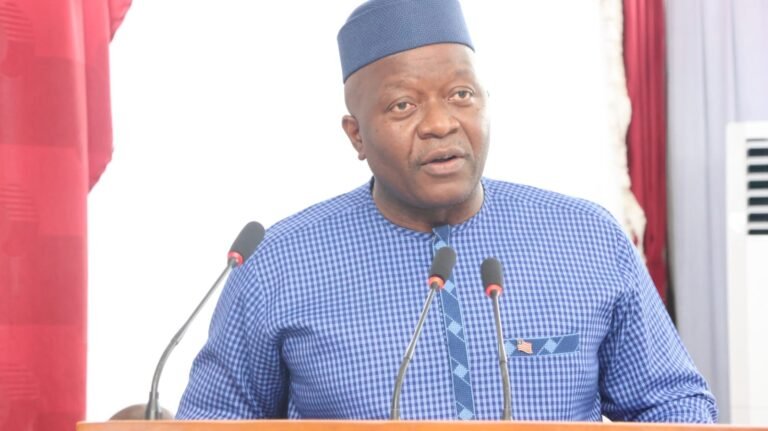
Officially declaring the validation exercise open, Hon. Cytirus K. Kerbay, Commissioner responsible for Civic Engagement, National Identity, and Visioning, delivered a compelling call for action and accountability.
Commissioner Kerbay underscored the importance of the draft implementation strategy, describing it as a practical roadmap for transforming commitments into measurable outcomes.
“Civil society is not merely a spectator within our governance architecture; it is a vital and indispensable partner,” Commissioner Kerbay stated. “At the same time, government must remain steadfastly accountable to the people it serves.”
She further emphasized that civil society is an indispensable partner, not a mere spectator, in Liberia’s governance. Commissioner Kerbay then challenged stakeholders to use the roadmap to drive tangible results, declaring that collaborative partnership is essential to national progress.
“What we review and endorse today must not gather dust on shelves; it must drive real, measurable, and lasting change,” she declared.
Delivering the welcome remarks, the Executive Director of the Governance Commission, Mr. Jallah C. Kesselly, expressed the Commission’s appreciation for the participation of civil society representatives and reaffirmed the GC’s commitment to strengthening collaboration with civil society organizations.
Mr. Kesselly noted that engagement with civil society forms a critical component of the Commission’s mandate, particularly in fostering citizen participation and inclusive governance.
“Your presence here today plays a vital role in helping the Governance Commission fulfill its mandate and strengthen its engagement with the people of Liberia,” he stated.
In his special remarks, Governance Commission Acting Chairperson Prof. Alaric K. Tokpa reflected on the historical relationship between civil society and the Government of Liberia, acknowledging that the partnership had often been marked by tension and mistrust.
“I recall a time when the relationship between civil society and government was largely combative,” Prof. Tokpa said. He further noted that there was a period when international donors perceived the government as corrupt and directed support exclusively to non-governmental organizations, a practice he said was influenced in part by external interests that weakened state institutions across Africa.
Prof. Tokpa commended both the Government of Liberia and civil society actors for embracing a more constructive and patriotic path forward, describing the evolving partnership as a new era in governance and national development.
He reminded participants that effective governance depends on strong institutional relationships and shared responsibilities.
“The components of every effective and efficient governance system are interrelated, interconnected, and interdependent. They rely on one another for the advancement and well-being of society,” he emphasized.
Speaking on behalf of the National Civil Society Council of Liberia, Chairperson Mr. Lawrence Yealue emphasized the significance of the validation exercise, noting that such engagements strengthen accountability, reinforce shared ownership, and deepen national participation in governance processes.
“I am grateful to the Governance Commission for its sustained engagement and leadership,” Mr. Yealue said. “This validation serves to further solidify the partnership between civil society and government. We must never return to an era where government actors consider themselves above civil society, nor should civil society adopt that attitude toward government. Our success depends on mutual respect and collaboration.”
Also speaking at the event, Madam Cecelia N. Flomo, Program Manager for Civic Engagement under the National Identity and Visioning Mandate Area, expressed appreciation to stakeholders and partners for their commitment to validating the draft implementation strategy of the GOL–CSO Accord and Partnership Policy Framework.
She commended the Government of Liberia for demonstrating continued political will and commitment to institutionalizing government-civil society collaboration, ensuring that civil society remains a core pillar in the country’s national development and democratic governance processes.
Madam Flomo also expressed gratitude to the National Civil Society Council of Liberia and the various inter-agency technical working groups whose support, dedication, and collaboration have advanced the process toward finalizing the landmark accord.
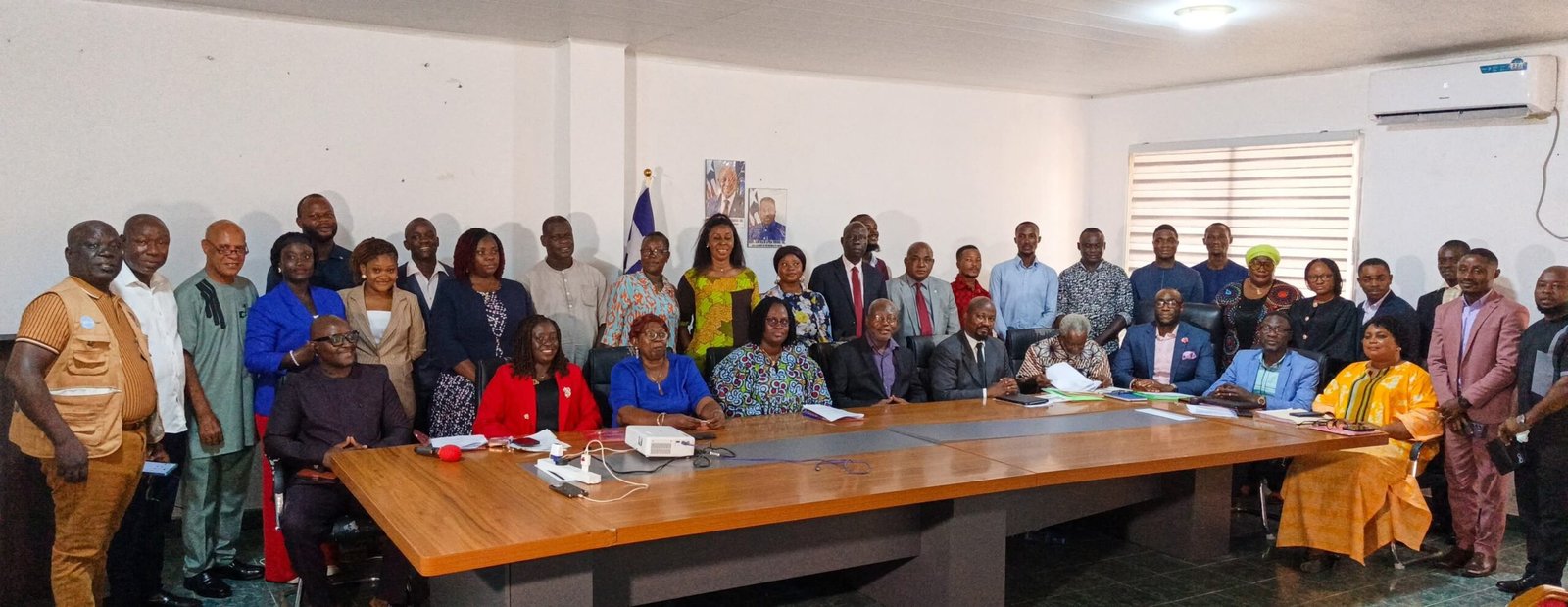
The validation forum brought together governance practitioners, policy experts, civil society leaders, and development partners, including the former leadership of the National Civil Society Council, Madam Frances Deigh Greaves and Madam Loretta A. Pope-Kai.
Held under the theme “Bridging the Gap Between Government and Civil Society for Inclusive Governance,” the event took place in the Governance Commission’s conference room and marked another significant milestone in Liberia’s efforts to strengthen participatory governance, accountability, and social cohesion.
About the Author