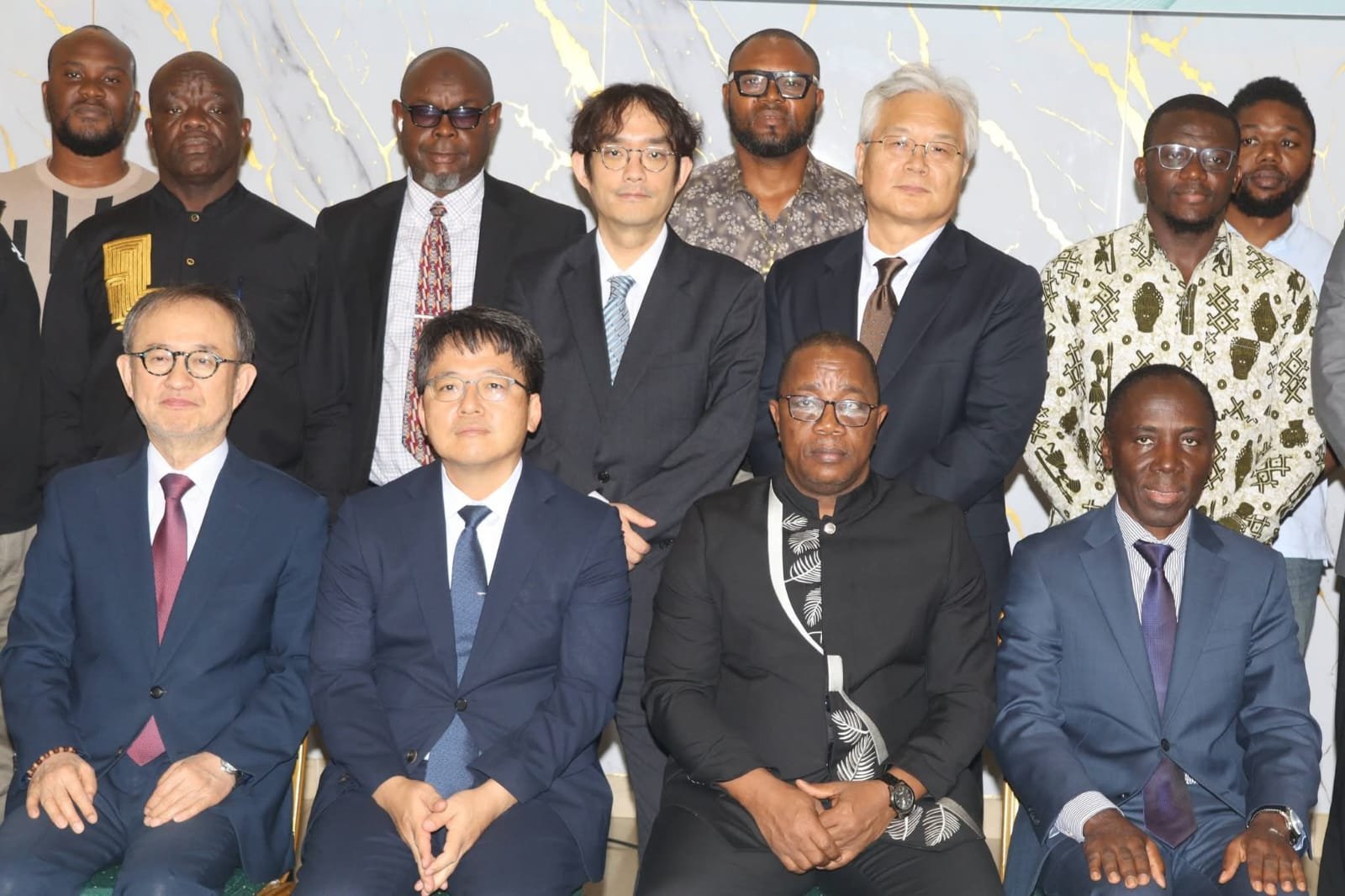
Monrovia, Liberia – The Government of Liberia, in collaboration with the African Development Bank and the Export–Import Bank of Korea, on Thursday launched the KSP–AfDB Joint Consulting Seminar aimed at strengthening Liberia’s domestic revenue mobilization and enhancing tax administration, particularly within the country’s mining and extractive sectors.
Held under the theme “Enhancing Domestic Resource Mobilization in Liberia through Evidence-based Policy Reforms,” the launch event concluded with the signing of an Aide-mémoire between the Government of Liberia and its development partners, reaffirming their commitment to advancing fiscal reforms and strengthening revenue generation systems.
The initiative is implemented under the Korea Knowledge Sharing Program (KSP), which seeks to support Liberia in modernizing its tax policies and improving fiscal governance.
The project will conduct a comprehensive analysis of Liberia’s tax system, with particular focus on revenue management in the mining industry, one of the country’s key economic sectors.
Speaking at the launch, Mr. Yung Jin Kim, Chief Executive of the Accra Office of the Export–Import Bank of Korea, underscored the importance of evidence-based policymaking in designing effective tax reforms that strengthen fiscal capacity and improve public service delivery.
Mr. Kim explained that the project will generate tailored policy recommendations informed by research, data analysis, and international best practices.
According to him, the program will also provide technical guidance and capacity-building opportunities for Liberian officials.
“As part of the initiative, the Export–Import Bank of Korea will host an invitational training program in South Korea that will expose Liberian officials to Korea’s advanced digital tax administration systems, including its online tax portal,” Mr. Kim noted.
“These experiences are expected to provide valuable insights that will support Liberia’s ongoing efforts to modernize its fiscal systems.”
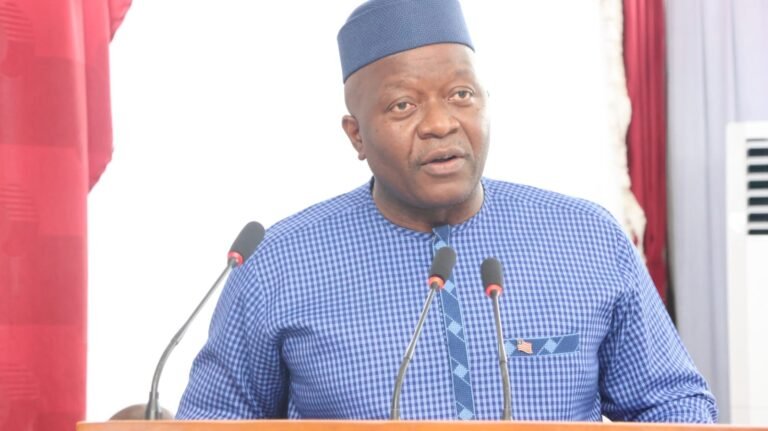
Delivering special remarks, Deputy Minister for Fiscal Affairs at the Ministry of Finance and Development Planning, Hon. Anthony G. Myers, emphasized that the project represents a significant step toward strengthening governance within Liberia’s natural resource sectors.
Deputy Minister Myers stated that the initiative will help address revenue leakages, improve tax compliance, and support broader fiscal reforms.
“Effective policy reform requires evidence,” he said. “Before introducing new legislation or implementing tax policies, the government must clearly understand the realities of the sector, including the key actors, their challenges, and the potential impact of proposed measures.”
Also speaking at the event, the Country Representative of the African Development Bank to Liberia, Mr. Rees Mwasambili, reaffirmed the Bank’s continued commitment to supporting Liberia’s development agenda.
Mr. Mwasambili noted that Liberia, a founding member of the Bank, currently benefits from an active portfolio valued at nearly US$400 million, largely concentrated in infrastructure development, governance, agriculture, and energy.
In addition to financial support, the Bank provides advisory services, technical assistance, and knowledge products aimed at strengthening governance and economic management across the country.
According to Mr. Mwasambili, improving domestic revenue generation remains critical for reducing fiscal deficits and ensuring sustainable economic development.
He disclosed that Liberia’s tax base remains relatively narrow, with considerable revenue potential yet to be fully realized.
“Strengthening tax policy and administration, particularly in strategic sectors such as mining, will be essential for boosting government revenues and reducing reliance on external financing,” he stressed.
The newly launched initiative aligns with Liberia’s broader development strategy, which prioritizes governance reform, economic growth, and improved public financial management.
It also supports the Government’s efforts to expand its revenue base to finance essential public services, infrastructure development, and job creation.
The seminar marks the first phase of consultations under the project, providing a platform for stakeholders to share insights and feedback that will inform future research and policy recommendations.
About the Author