Monrovia, Liberia: — The Government of Liberia is intensifying efforts to enhance Liberian participation in the country’s distribution and retail sectors, in line with the provisions of the 2010 Investment Act, which reserves these areas exclusively for Liberian-owned businesses.
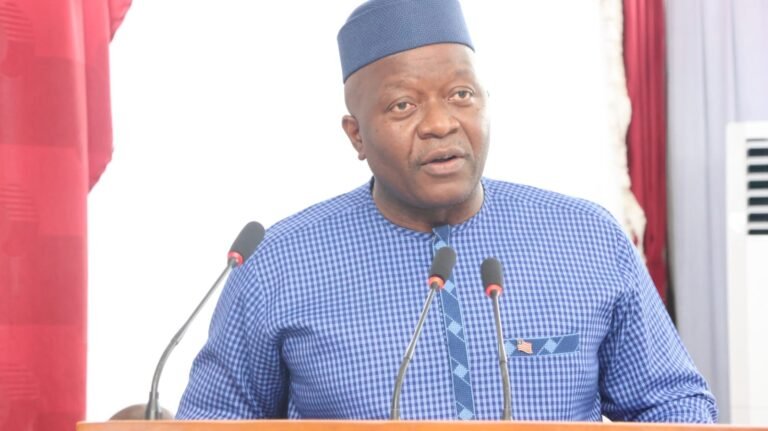
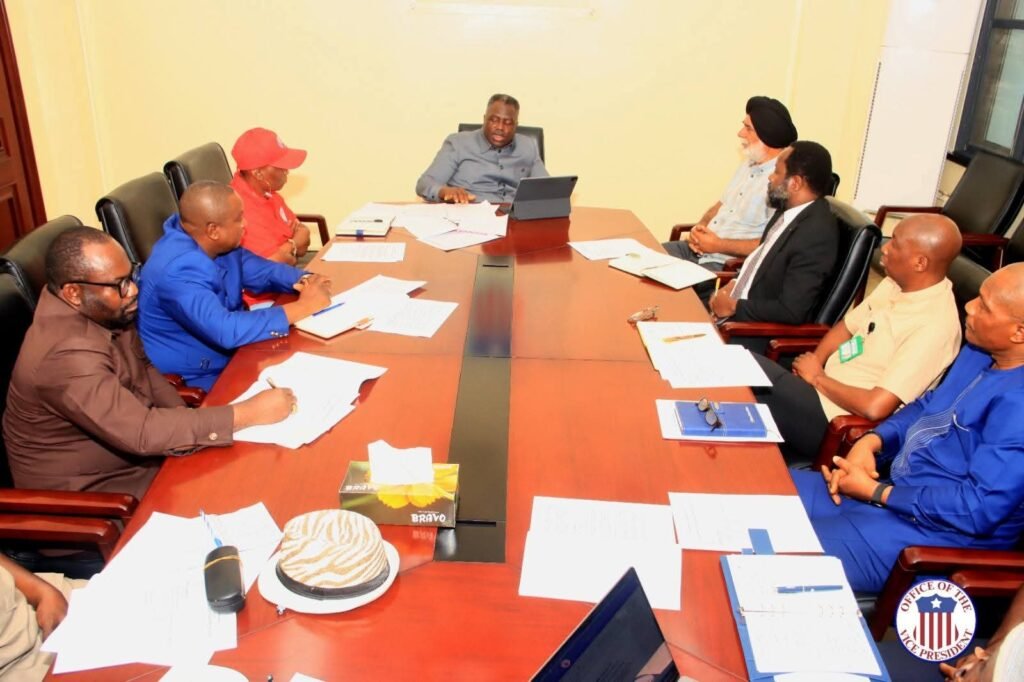
In furtherance of this objective, Vice President Hon. Jeremiah Kpan Koung, Sr., on Friday, May 1, 2026, convened a high-level meeting with key manufacturers and private sector stakeholders.
The engagement focused on reinforcing the Government’s commitment to ensuring that Liberians play a leading role in business segments designated for their exclusive participation.
Speaking earlier on the state broadcaster, ELBC, the Vice President underscored the Government’s strong political will to ensure that Liberians fully benefit from economic opportunities reserved for them under existing law.
He emphasized that the effective enforcement of these provisions remains a national priority.
With respect to G5—formerly the Coca-Cola bottling facility—the company currently operates a mixed distribution model involving both Liberian and foreign distributors.
However, entry requirements, including a bank guarantee of approximately US$150,000, established market networks, and the capacity for cash-based transactions, have posed challenges to broader local participation.
A proposal under consideration recommends the gradual phasing out of foreign distributor arrangements, alongside the identification of five to ten qualified Liberian-owned businesses to serve as authorized distributors.
The Ministry of Commerce and Industry is expected to issue formal guidance encouraging eligible Liberian enterprises to participate in this process.
Similarly, NICOM Distilleries and RITCO currently rely on direct-to-customer sales models rather than structured distribution systems.
Stakeholders have proposed the introduction of formal distribution frameworks for these entities, including the selection of five to ten Liberian-owned distributors per company.
This approach is intended to expand market access while ensuring compliance with national policy objectives.
These initiatives form part of a broader strategy aimed at empowering Liberian entrepreneurs, strengthening local ownership, and reinforcing adherence to the Investment Act’s provisions governing distribution and retail trade.
Recent assessments have also raised concerns regarding the growing presence of foreign nationals in sectors legally reserved for Liberians.
While initial discussions considered the introduction of additional legislation—similar to frameworks adopted in other jurisdictions—a comprehensive review by the Ministry of Commerce and key stakeholders concluded that the existing legal framework is sufficient.
The 2010 Investment Act clearly delineates approximately 16 to 20 business categories exclusively reserved for Liberian citizens.
credit: office of the Vice President
About the Author