By: Desmond Gbeleh Wion
MONROVIA, LIBERIA — For years, Clara Town has remained one of Monrovia’s most densely populated communities and, at times, one of the city’s most troubled flashpoints for mob violence, vigilante justice, and spontaneous street retaliation against alleged criminals.
From 2018 through 2025, the township witnessed repeated incidents where suspected thieves and alleged criminals were beaten, publicly humiliated, severely injured, and in some cases reportedly killed by angry crowds before formal legal intervention could occur.
The disturbing trend repeatedly drew condemnation from human rights advocates, security institutions, and community leaders who warned that mob justice undermines Liberia’s justice system and threatens national peace and stability.
Against this backdrop, the Ministry of Justice has intensified its nationwide Anti-Mob Violence Campaign, bringing renewed attention to communities historically affected by vigilante attacks, including Clara Town.
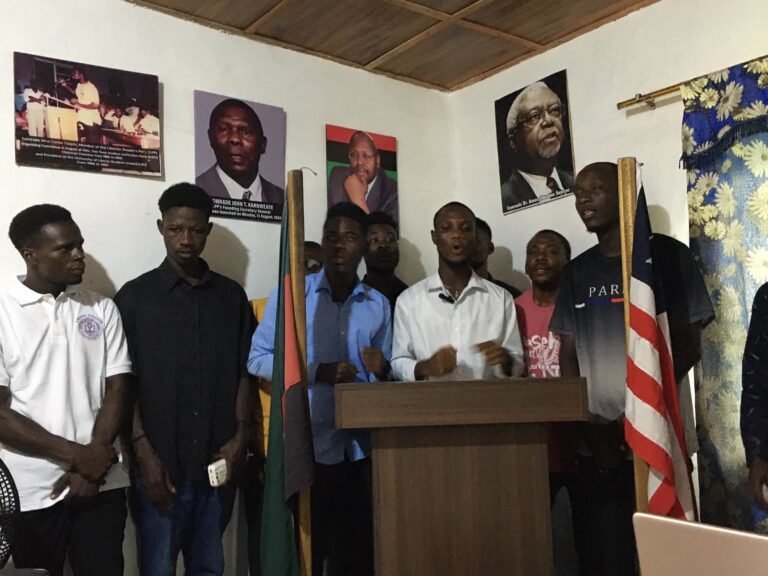
Speaking during a community awareness engagement in Clara Town, Atty. Siaffa Bahn Kemokai, Special Assistant to the Minister of Justice, delivered a strong message urging residents to respect the rule of law and refrain from taking justice into their own hands.
According to Atty. Kemokai, Liberia’s legal system provides established mechanisms for addressing criminal allegations, and citizens must allow law enforcement agencies and the courts to perform their constitutional duties without interference.
“Mob violence is not justice,” he stressed. “No matter the accusation against an individual, citizens do not have the legal authority to beat, torture, or kill suspected offenders. The law must always prevail.”
He noted that the Ministry’s Anti-Mob Violence Campaign has already begun producing visible results in several communities across Monrovia, including Clara Town, where public education and sustained engagement have reportedly helped reduce retaliatory violence and street justice incidents.
The campaign, according to justice sector authorities, seeks to educate ordinary citizens about constitutional rights, criminal procedures, human dignity, and the dangers associated with unlawful punishment.
A Long History of Mob Violence in Clara Town
Clara Town’s history with mob justice stretches back many years, but between 2018 and 2025, several incidents over placed the township repeatedly in national headlines.
Community residents often attributed mob attacks to frustration over increasing theft, drug abuse, armed robbery, delays in police response, and lack of confidence in the criminal justice system.
In many cases, crowds reportedly attacked suspects accused of stealing phones, household items, market goods, or allegedly participating in criminal activities.
Human rights groups throughout the years consistently warned that many victims of mob violence were denied due process, while some individuals attacked by crowds were later found to have never been formally convicted of any crime.
Security analysts have also repeatedly cautioned that mob justice creates a dangerous culture of lawlessness, where emotions replace evidence and public anger replaces courtroom procedure.
During the height of several incidents over the years, Liberia National Police officers were often forced to intervene to rescue suspects from violent crowds. Some interventions resulted in confrontations between police and residents, further escalating tensions within the community.
Legal experts have continuously emphasized that mob violence violates both Liberian law and international human rights standards, particularly the constitutional guarantee of due process and protection from cruel and inhumane treatment.
Government Intensifies Awareness Campaign
The Ministry of Justice says its current anti-mob initiative is intended not only to discourage violence but also to rebuild public trust in formal justice institutions.
Atty. Kemokai explained that the campaign focuses heavily on grassroots engagement, targeting densely populated urban communities where mob violence has historically been more prevalent.
He warned that while citizens may feel frustrated by crime, responding with violence only deepens insecurity and exposes innocent people to wrongful punishment.
“When a crowd attacks a suspect without investigation or trial, there is always the risk of punishing the wrong person,” he cautioned.
“That is why civilized societies rely on evidence, police investigations, and the courts.”
He further called on youth groups, women organizations, community watch forums, and local leaders to become ambassadors for peace and lawful conduct within their respective neighborhoods.
Residents Welcome The Initiative
Residents who attended the awareness engagement praised the Ministry of Justice for bringing the campaign directly into the community.
Several participants acknowledged that mob violence has damaged Clara Town’s image over the years and expressed hope that continued civic education would help transform public attitudes toward crime and punishment.
Community members also appealed to the Ministry to sustain the campaign through regular outreach activities, radio discussions, youth engagement programs, and collaboration with local authorities.
“We want this campaign to continue because people are beginning to understand that violence is not the solution,” one resident remarked during the gathering.
Others stressed that while communities remain concerned about criminal activities, lasting solutions require stronger cooperation between citizens and law enforcement agencies rather than mob retaliation.
Rule of Law Under National Spotlight
The Liberian Government’s renewed anti-mob violence drive comes amid broader national efforts to strengthen the rule of law, improve community policing, and promote human rights awareness across the country.
Observers believe sustained public education, quicker police response, improved prosecution systems, and stronger community trust in the justice sector will be critical in permanently reducing mob violence nationwide.
For Clara Town residents, the campaign represents both a warning and a turning point — a call to abandon a dangerous culture of instant street punishment and embrace lawful justice mechanisms instead.
As the Ministry of Justice continues its outreach across Liberia, authorities hope communities like Clara Town can gradually become examples of peaceful civic cooperation rather than symbols of vigilante violence.
About the Author