By Pewu Y. Sumo
MONROVIA, LIBERIA — The Liberia Electricity Corporation (LEC) has launched a “mission-critical” initiative to overhaul the nation’s power grid, pledging to reach a total installed capacity of 700 megawatts (MW) by 2030, as mandated by President Joseph Nyuma Boakai.
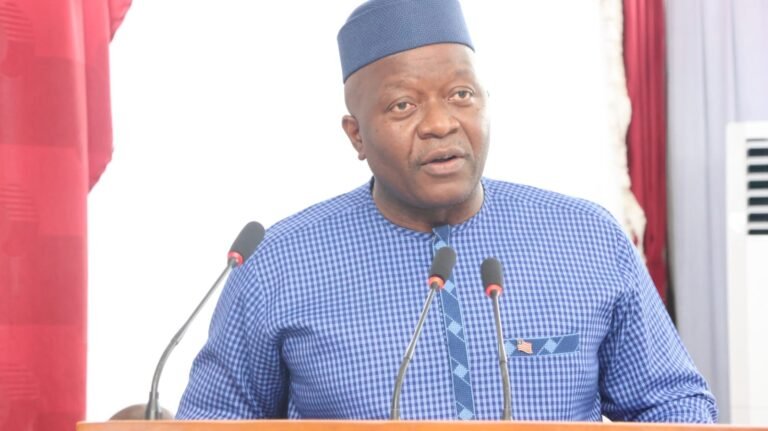
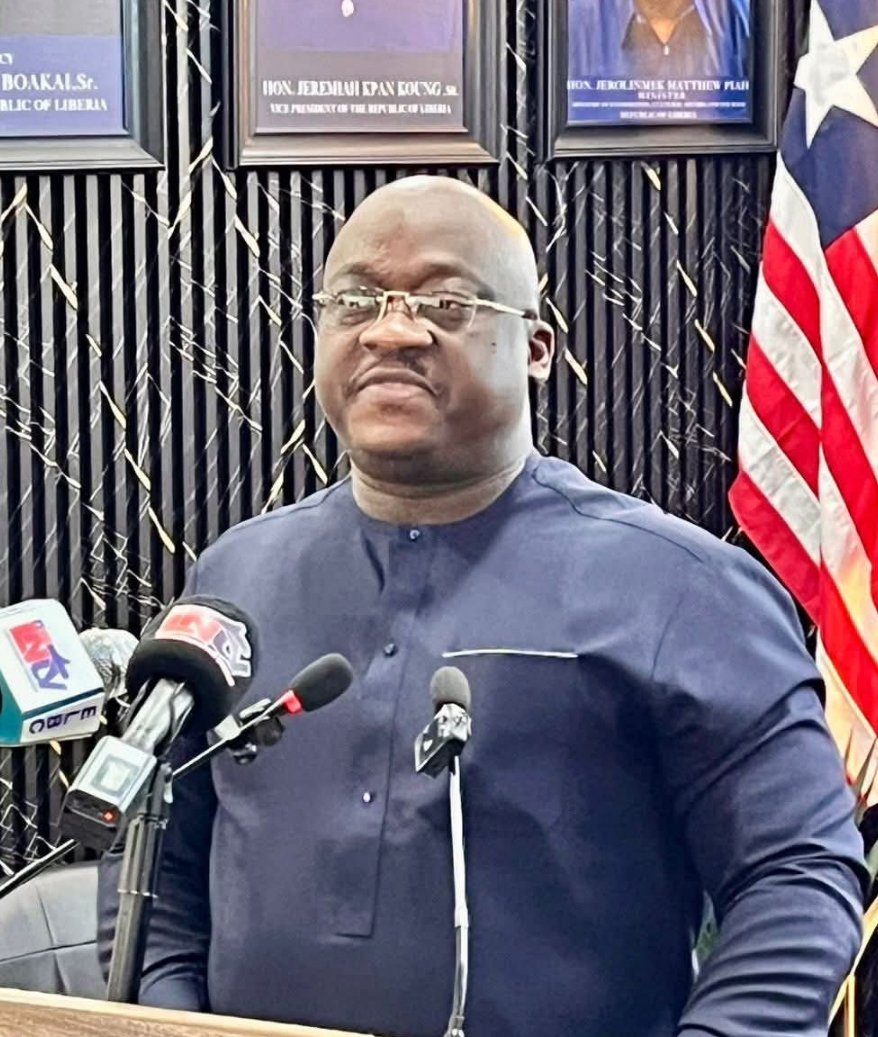
Speaking at the Ministry of Information, Cultural Affairs and Tourism (MICAT) regular press briefing on Tuesday, April 7, 2026, LEC Managing Director Mohammed M. Sherif emphasized that the corporation is moving “aggressively” to translate the President’s State of the Nation mandate into a reality for the Liberian people.
The directive follows President Boakai’s address to the 55th Legislature earlier this year, where he outlined a bold vision for Liberia’s energy future, identifying reliable power as the essential backbone of his “Rescue Agenda.”
“You listened to the President during the State of the Nation Address,” Mr. Sherif told reporters. “The President said by the year 2030, it is our clear mission and objective to have available installed capacity of 700 megawatts; a mix of hydro, thermal, solar, and gas. Based on that statement, we are moving aggressively on behalf of the Liberian people to get 700 megawatts by that time.”
To achieve this milestone, the LEC is reportedly diversifying its energy portfolio. The strategy includes expanding hydropower through the St. Paul 2 and St. John River projects, fast-tracking 100MW of Heavy Fuel Oil (HFO) thermal plants to bridge immediate gaps, and integrating solar and gas-to-power solutions.
However, the ambitious plan comes at a time when many Liberians remain skeptical. While there is optimism surrounding these long-term goals, the public continues to raise concerns over the recurring lack of reliable electricity during the peak of the dry season, compounded by an ever-growing national demand for energy.
Addressing these concerns, Mr. Sherif noted that the aggressive move toward 700MW is specifically designed to end the seasonal power deficits that have historically plagued the country. By creating a robust energy mix, the LEC aims to ensure that “load shedding” becomes a thing of the past.
As the 2030 deadline approaches, all eyes remain on the LEC to see if this aggressive push will finally provide the stable power necessary to fuel Liberia’s economic transformation.
About the Author