Monrovia — Finance and Development Planning Minister Augustine Kpehe Ngafuan has called for a new era of scaled-up development financing, deeper economic reforms, and stronger public-private partnerships to sustain Liberia’s economic growth amid an increasingly challenging global environment.
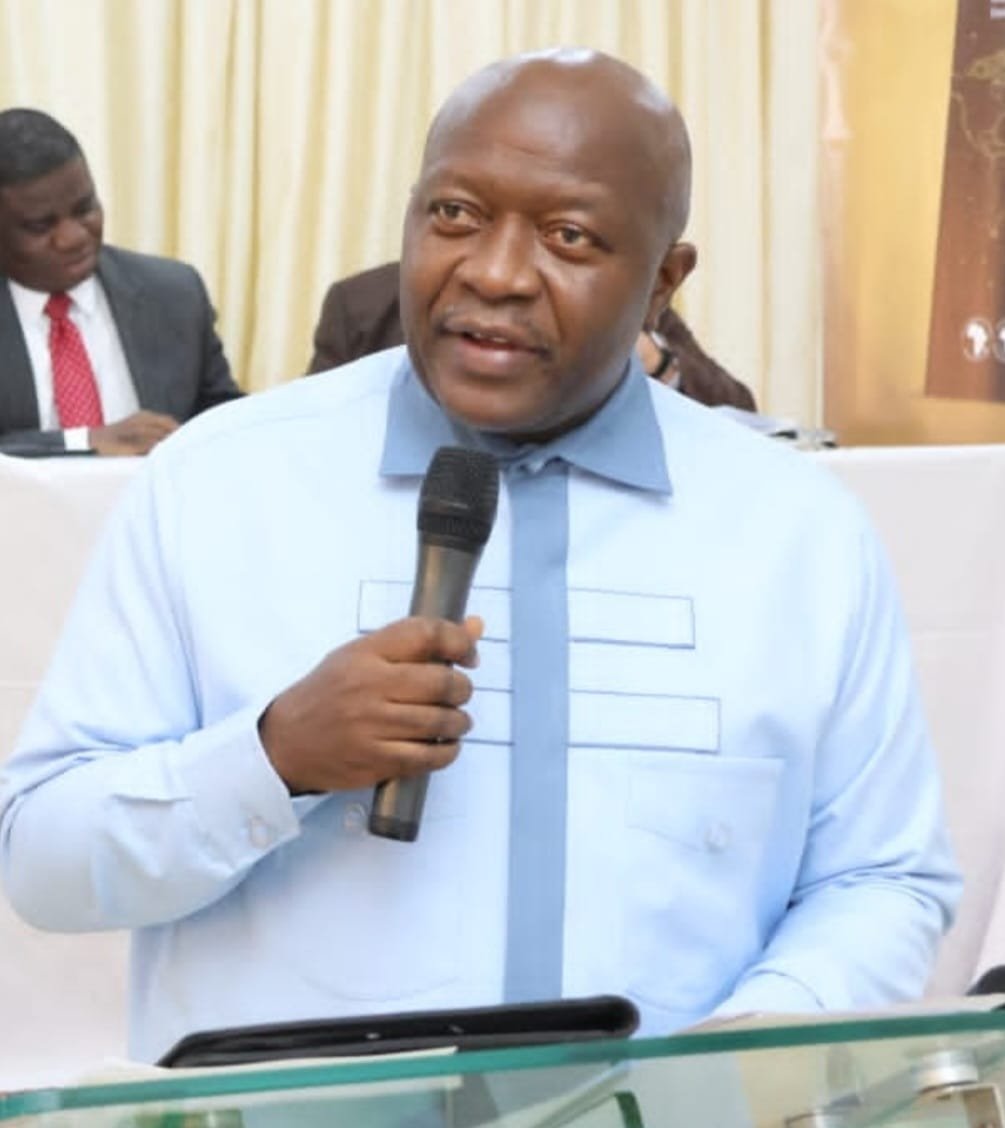
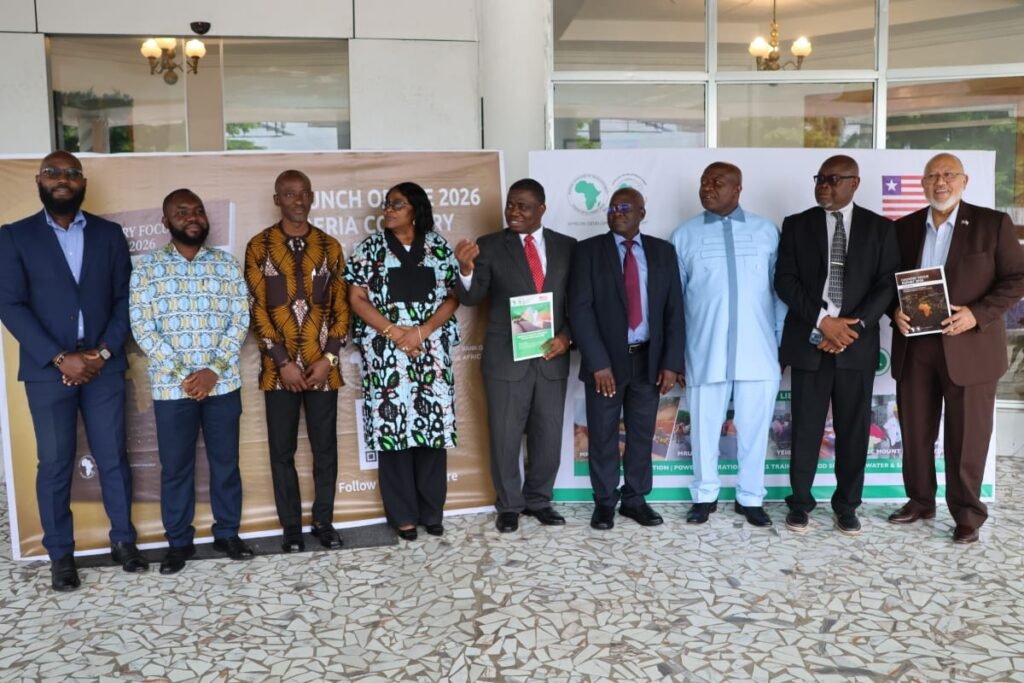
Minister Ngafuan made the call on Thursday at the Sinkor Palace Hotel during the official launch of the African Development Bank’s (AfDB) 2026 Liberia Country Focus Report and the 2026–2031 Country Strategy Paper. The high-profile event drew senior government officials, AfDB representatives, members of the diplomatic corps, development partners, civil society organizations, and private sector leaders.
A Roadmap for Medium-Term Growth
Speaking at the launch, Minister Ngafuan emphasized that Liberia’s development ambitions can only be realized through a balanced financing strategy. He noted that this must combine stronger domestic resource mobilization, concessional financing, private investment, climate financing, and strategic partnerships.
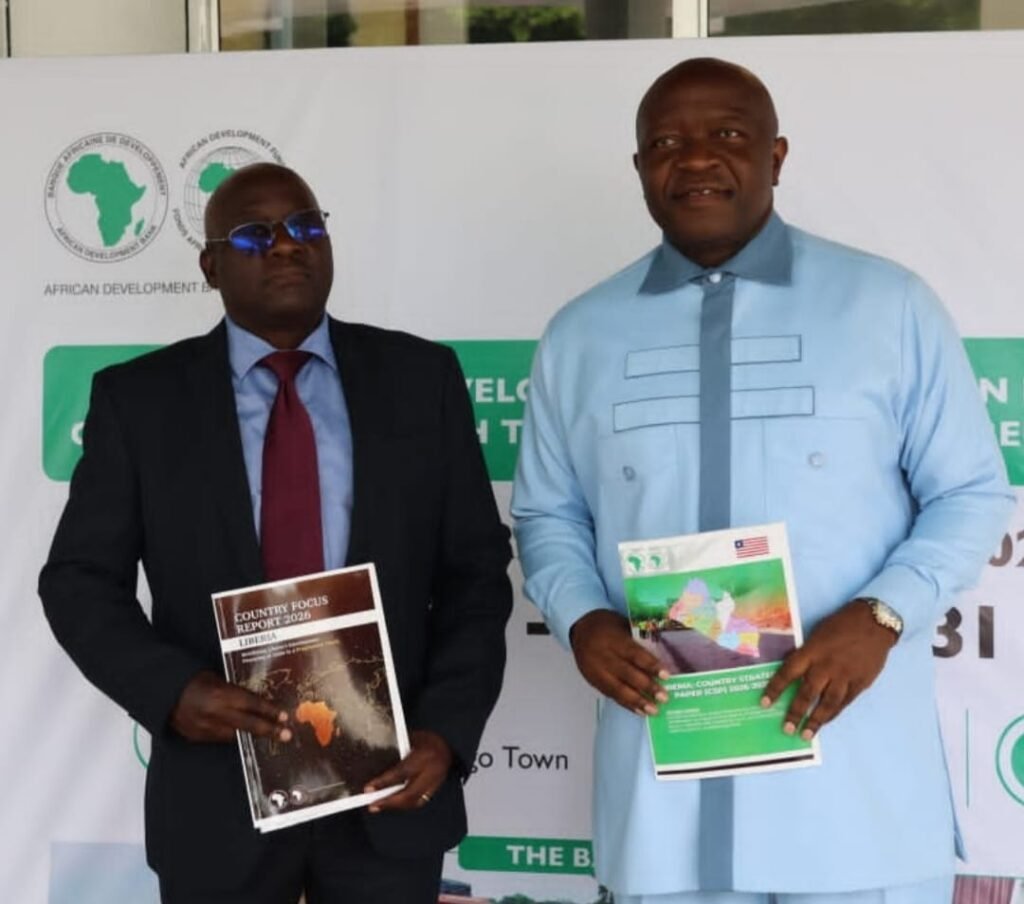
The Minister expressed gratitude to the AfDB for its steadfast partnership, policy leadership, and unwavering confidence in Liberia’s development journey. He described the simultaneous launch of the two flagship publications as a significant milestone for the country’s economic planning.
“While the Country Focus Report provides an analytical assessment of Liberia’s macroeconomic outlook, financing needs, and reform priorities, the Country Strategy Paper translates those findings into a medium-term framework for the Bank’s financing, technical assistance, policy dialogue, and knowledge support,” Minister Ngafuan explained.
The 2026 Country Focus Report is themed “Mobilizing Liberia’s Development Financing at Scale in a Fragmented World.” According to the Minister, this theme accurately reflects the harsh realities confronting developing nations today, while simultaneously highlighting the opportunities available to countries willing to pursue sound economic reforms.
Economic Resilience Amid Crises
Despite mounting global uncertainties, Minister Ngafuan noted that Liberia remains a key part of Africa’s growth story. Referencing the AfDB’s continental economic assessment, he highlighted that 22 African countries—including Liberia—recorded economic growth above five percent last year.
The Finance Minister recounted Liberia’s proven track record of overcoming successive economic and humanitarian shocks, pointing to the country’s history as evidence of resilience built through institutional reform and international cooperation.
He reflected on the nation’s past response to the devastating Ebola epidemic, which claimed more than 5,000 lives but ultimately resulted in strengthened public health institutions and better preparedness for subsequent crises, such as the COVID-19 pandemic.
Overcoming Financing Shocks
Minister Ngafuan also shed light on how the government successfully managed a major recent financing shock. Liberia lost more than US$300 million in external project financing following the withdrawal of one of its largest development partners, the United States Agency for International Development (USAID).
Despite the severity of the setback, the Minister revealed that the government maintained fiscal stability through aggressive internal measures. These included stronger domestic revenue collection, improved tax administration, increased digitization, enhanced transparency, and targeted measures to eliminate revenue leakages.
“The sky did not collapse on our heads,” Minister Ngafuan remarked, underscoring the government’s determination to independently manage the fiscal shock without undermining the nation’s broader macroeconomic stability.
Closing his address, the Finance Minister reaffirmed the government’s unwavering commitment to maintaining sound macroeconomic management while aggressively implementing reforms designed to support inclusive and resilient growth across Liberia.
About the Author