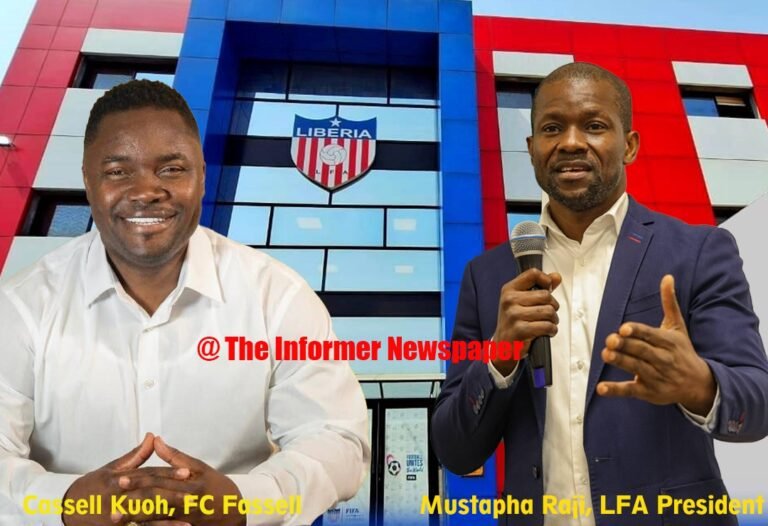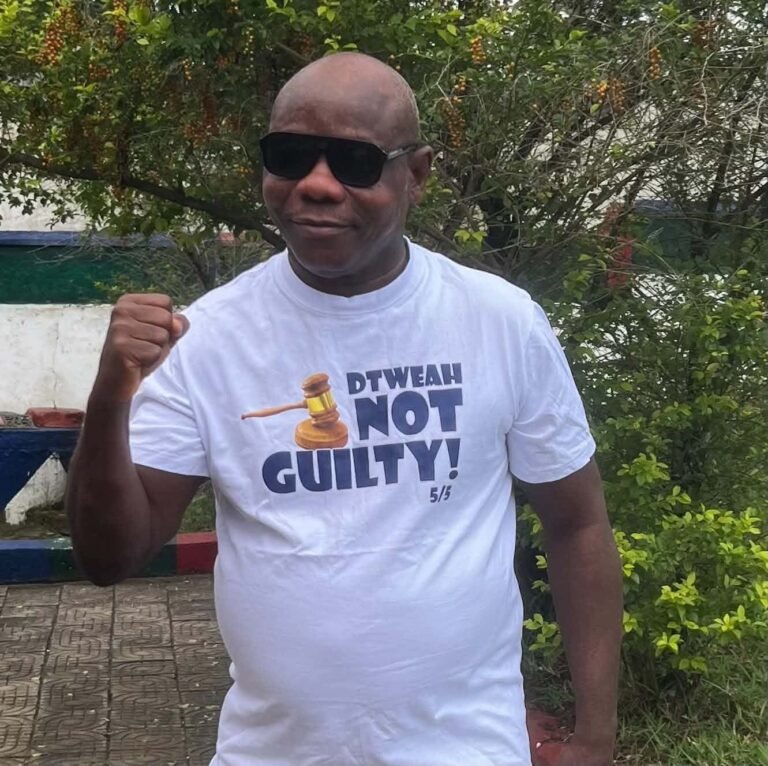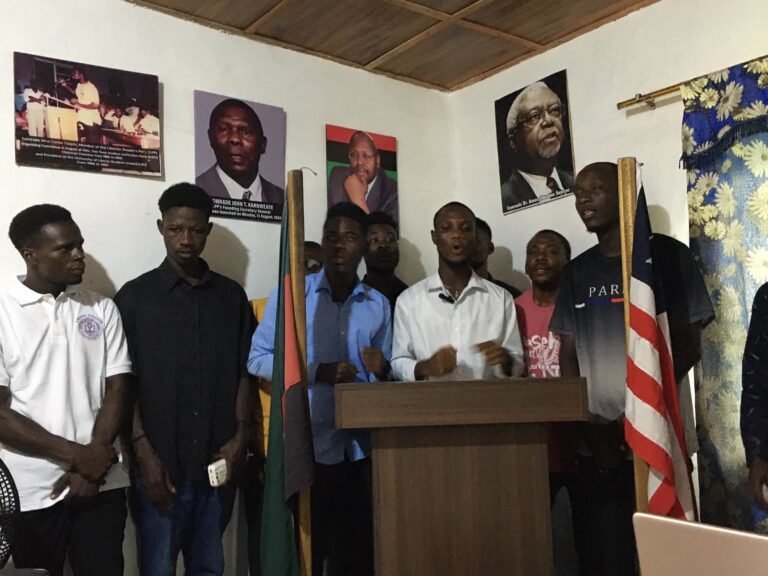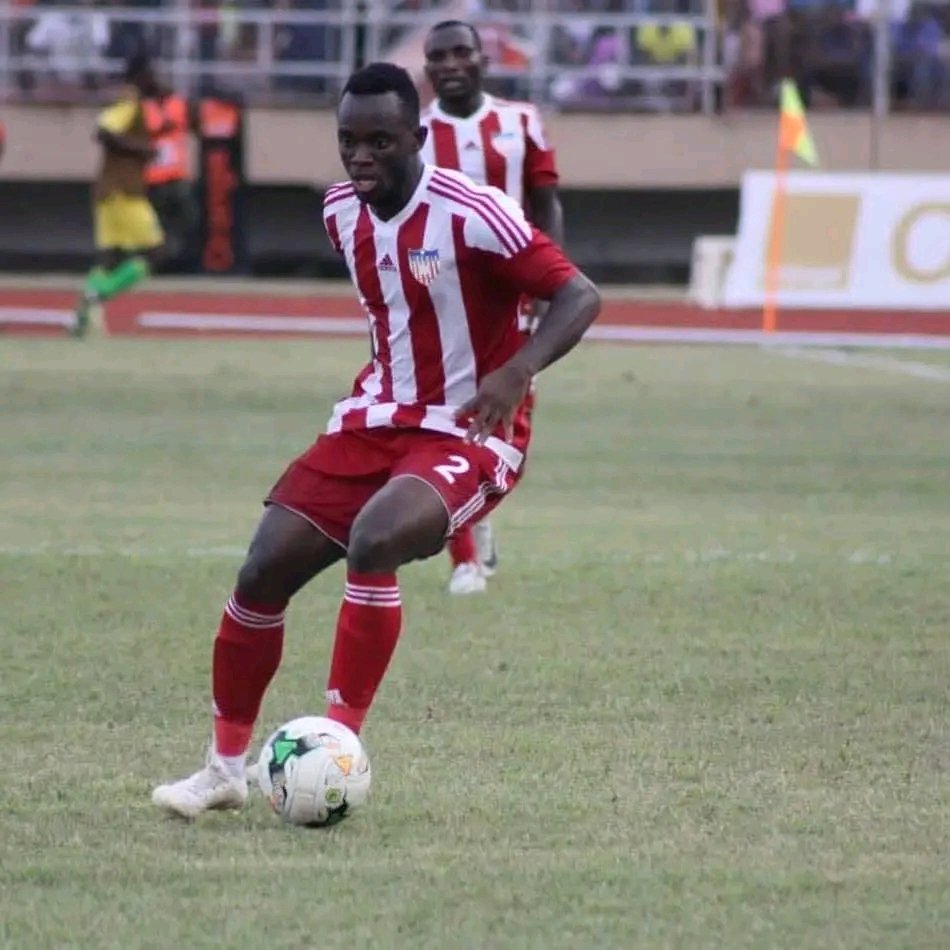
MONROVIA – Former Liberia national team player Tonia Tisdell has issued a strong public statement defending the constitutional rights of football administrator Cassell Anthony Kouh while criticizing what he described as “double standards” and misinformation surrounding leadership debates in Liberian football.
In a statement released publicly, Tisdell argued that Liberia’s democracy and football institutions must be guided by fairness, accountability, and respect for the rule of law.
According to him, Cassell Kouh already paid his debt to society after serving a sentence tied to a past criminal conviction and should therefore enjoy the full rights guaranteed under the Liberian Constitution, including the right to contest public office. “Cassell Kouh has never denied his past. He openly admitted his mistake and accepted responsibility without excuses,” Tisdell stated, adding that continued attempts to portray Kouh as dishonest about his history are misleading.
Tisdell further criticized what he described as selective justice within Liberian football circles, claiming that other individuals accused of serious misconduct were never subjected to the same level of scrutiny or public condemnation.
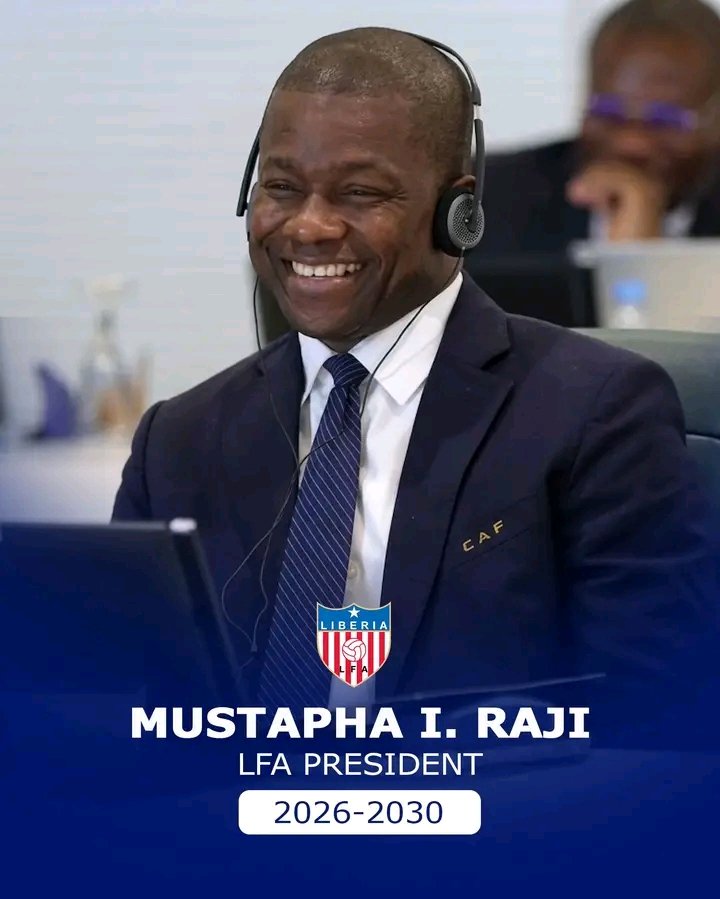
The former Lone Star player referenced football administrator Mustapha Raji, noting that Raji previously faced a two-year football suspension linked to the improper registration of a player belonging to another club. He also mentioned past concerns surrounding alleged academic claims tied to a U.S. university.
“These are serious matters, yet many continue to ignore or downplay them,” Tisdell asserted.
The footballer also challenged repeated claims that FIFA would refuse to work with Cassell Kouh if elected to football leadership, demanding evidence to support such assertions.
“Who received such communication from FIFA? Where is the proof?” he questioned.
Tisdell warned against what he called fear tactics designed to discourage competition within Liberian football administration.
He recalled previous claims suggesting Liberia would face international sanctions if football-related disputes reached the courts — an argument he described as false and misleading.
The former national team player expressed disappointment over the current state of Liberian football, pointing to the country’s failure to qualify for the Africa Cup of Nations (AFCON) in recent years, alongside what he sees as stagnation in both the national league and the senior national team.
“For eight years, there has been no meaningful transformation in Liberian football,” he said.
Tisdell argued that strong leadership should welcome open competition and accountability rather than relying on uncontested elections and political intimidation.
He concluded by expressing hope that the Supreme Court of Liberia would handle ongoing football-related legal matters fairly and independently.
“I trust that the Supreme Court will deliver a ruling based on law, justice, and fairness — not politics or personal interests,” Tisdell stated.
His comments come amid increasing public debate over leadership, governance, and accountability within Liberian football.
About the Author