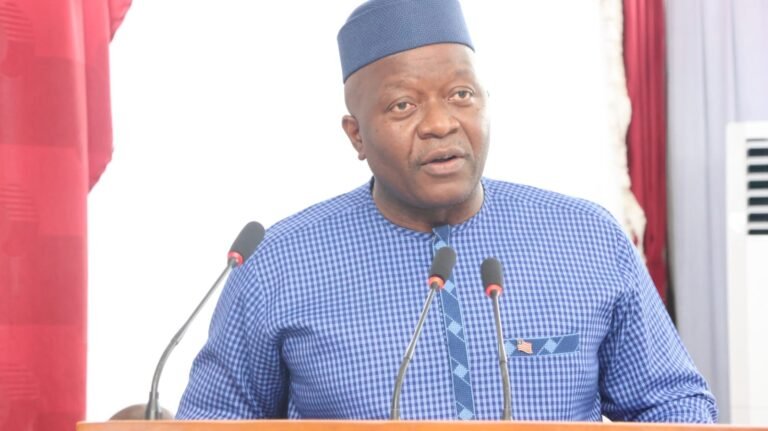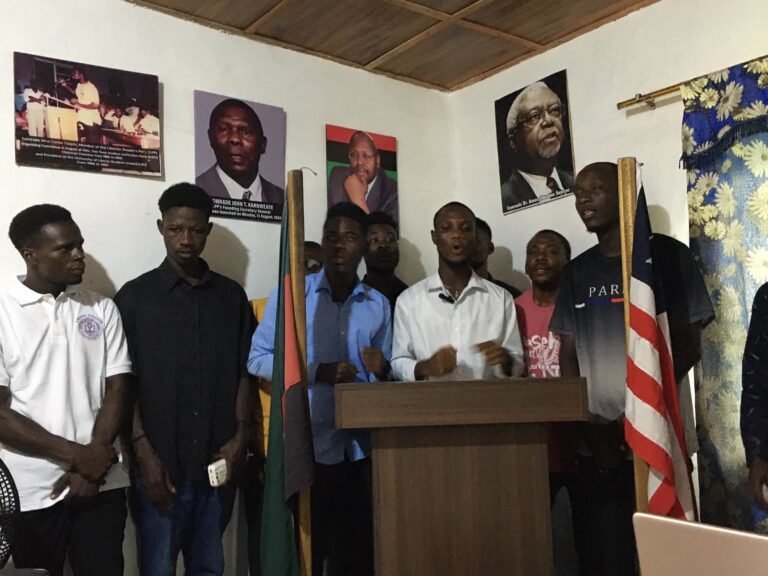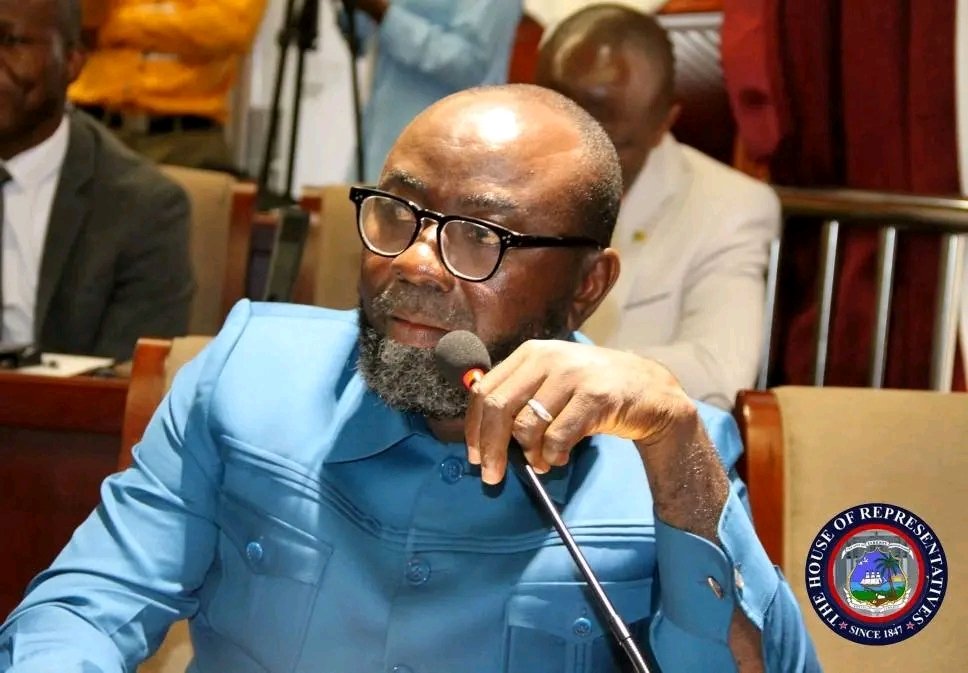
District 14, Montserrado — In a decisive push to strengthen access to education and confront growing youth vulnerability, Kerkula M. Kamara, Representative of Electoral District 14, has completed the final installment of L$294,000, bringing his total financial support to L$1.2 million for 177 grade school students across the district.
The intervention, now in its second cycle, continues to serve as a lifeline for dozens of families facing economic hardship, ensuring that students remain in school despite mounting financial pressures. Beneficiaries were drawn from multiple schools throughout District 14, reflecting a broad-based effort to reach some of the most vulnerable learners.
The program is being executed through the District 14 Education Financial Aid Committee (DEFAC), under the leadership of Abraham Z. Nimely. The committee oversees the identification of beneficiaries and the transparent distribution of funds, reinforcing public trust in the initiative.
Speaking during the disbursement, Rep. Kamara underscored that investing in education is not optional but essential, particularly at a time when many young people face unemployment, limited opportunities, and increasing exposure to social risks. He stressed that meaningful national development must begin at the grassroots level, where access to education remains a major challenge.
He cautioned that failure to support young people could have long-term consequences for the country, but maintained that empowering them through education creates a pathway to stability, productivity, and national progress.
“When young people are given the chance to pursue quality education, they are less likely to fall into despair or distraction,” he said. “Instead, they become focused, disciplined, and prepared to contribute meaningfully to society. That is how we build a stronger, more prosperous Liberia.”
Many residents view the District 14 education support program as a practical and results-driven response to the country’s youth challenges. By directly reducing the financial barriers to schooling, the initiative is helping to curb dropout rates, restore hope among disadvantaged families, and lay the foundation for a more educated and productive generation.
As the program enters its second cycle, many residents say it is already making a measurable difference, not only in classrooms but in the wider community where education is increasingly being seen as the most reliable path to opportunity and national transformation.
About the Author