The Author
By Pewu Y. Sumo
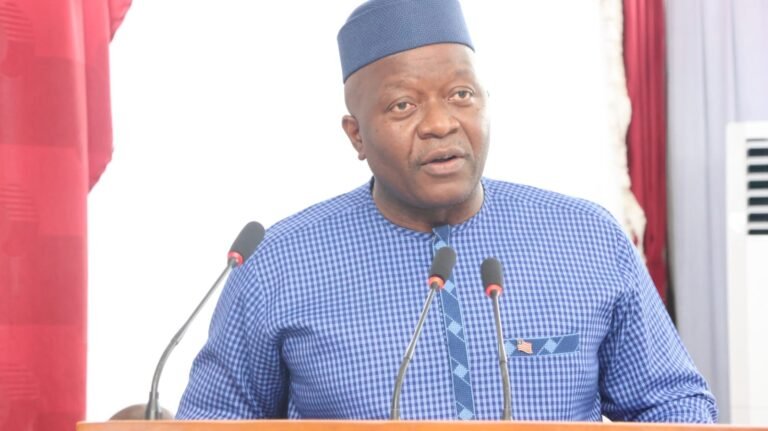
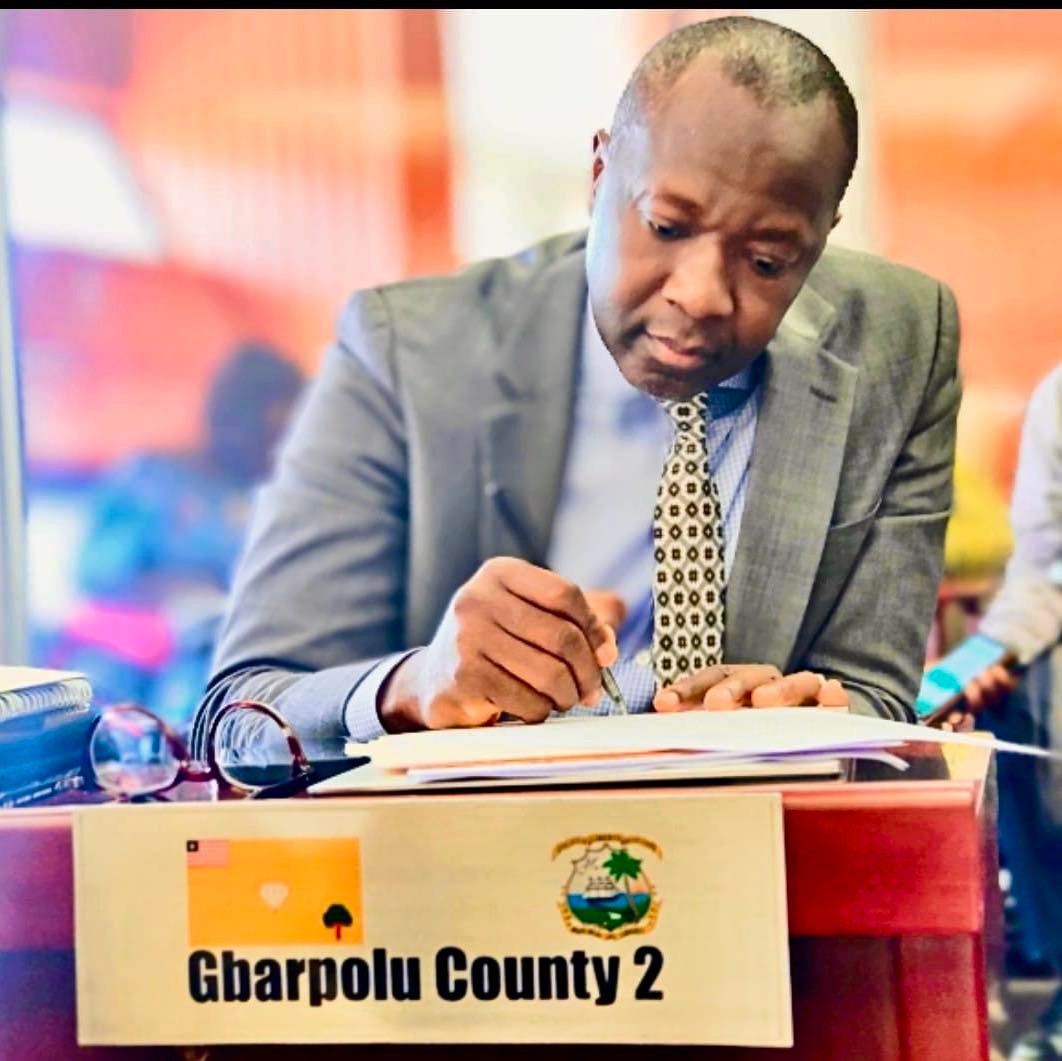
Monrovia , Liberia: — Gbarpolu County Senator Amara Konneh has raised a red flag over what he describes as the institutionalization of bad governance in Liberia, warning that the country is trapped in a dangerous cycle where past wrongs are used to justify present misconduct.
In a thought-provoking commentary shared via his official Facebook handle, the Gbarpolu lawmaker observed that a “standard line” has emerged in national governance debates: “Ehn your did the same thing.” Senator Konneh argued that this mindset is being used to shield exploitation and bad governance, effectively rewriting the moral fabric of the country to protect those in power.
Legality vs. Morality
The Gbarpolu Senator, known for his vocal stance on fiscal transparency and legislative oversight, drew a sharp distinction between the letter of the law and the essence of justice.
“Laws exist in every country, but there’s a deeper truth that separates law from justice: legality doesn’t always mean morality, and morality doesn’t always find its way into law,” the Senator asserted.
He expressed concern that systems in Liberia are no longer just permitting questionable behavior but are actively shaping a new, distorted morality—codifying exploitation into legal proceedings and, in some cases, celebrating them as virtues.
The Constitutional Dilemma
The Senator’s critique went beyond mere political rhetoric, posing a fundamental question about the nature of the Liberian Constitution and the rules derived from it. He challenged the notion that strict adherence to the law is equivalent to being a “just” leader if the laws themselves are flawed.
“The real question for Liberians isn’t just about what’s legal, but what’s truly right,” Konneh wrote. “If injustice is embedded in rules protected by the Constitution, does following it make you just?”
A Call for Ethical Reform
Konneh’s remarks come amidst ongoing debates regarding government accountability and the need for structural reforms within the 55th Legislature. His comments suggest that without a moral shift, Liberia risks a future where “right and wrong” are constantly redefined to suit the whims of the ruling class.
About the Author