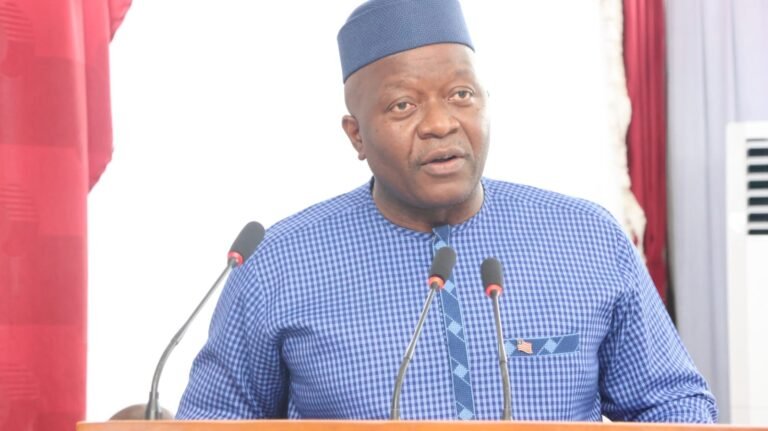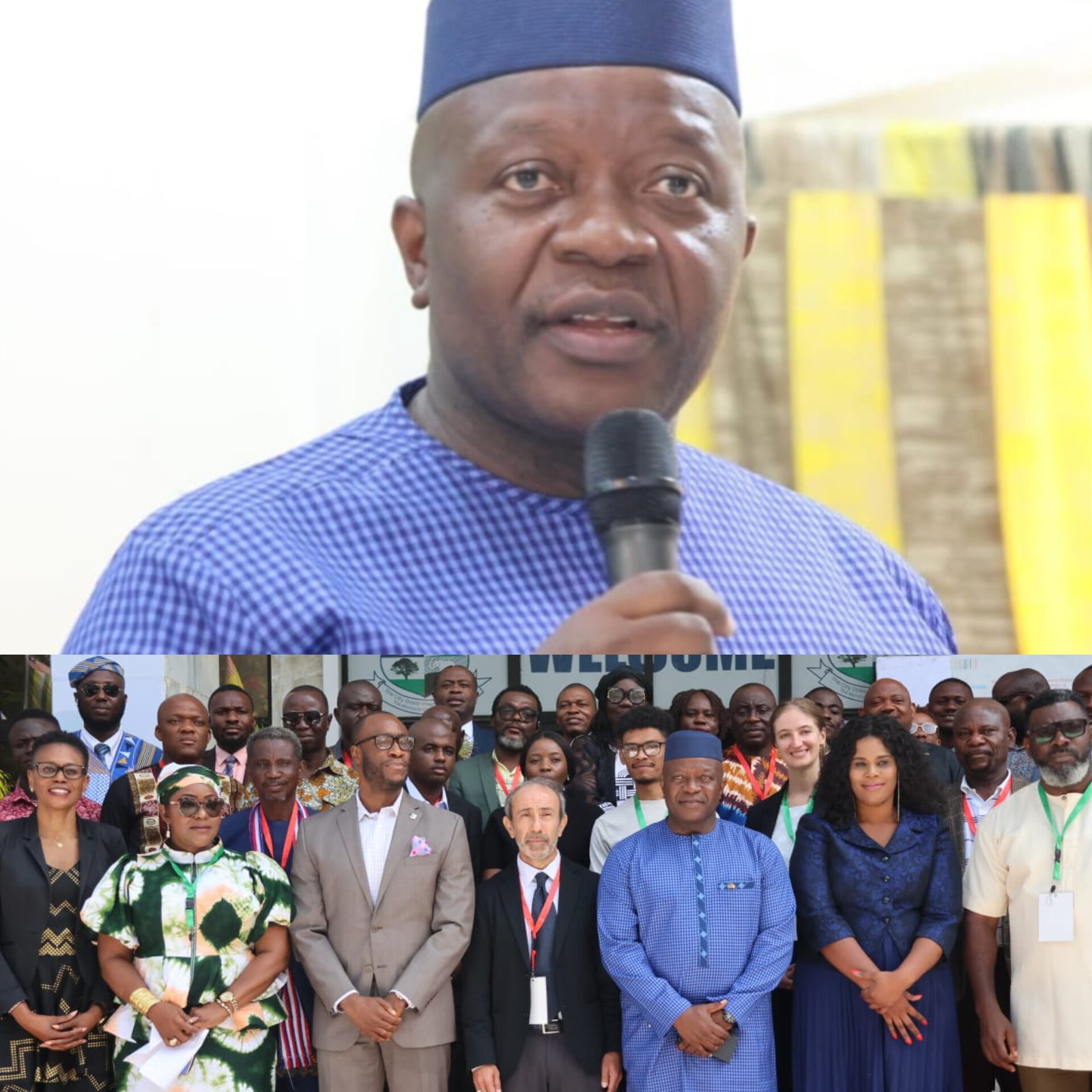
Monrovia, Liberia – Liberia’s Minister of Finance and Development Planning, Hon. Augustine Kpehe Ngafuan, has emphasized that “land must finance our cities” as he launched the Executive Training Program on “Unlocking Land-Based Revenue for City Leaders and Planners” in Monrovia on Monday.
The continental initiative is aimed at equipping African city leaders with practical tools for sustainable urban financing.
“Land is one of the most valuable resources cities possess, yet it remains largely underleveraged across our continent,” Minister Ngafuan said. “When managed effectively, land-based revenue systems such as property taxation, land value capture, betterment levies, and development charges can generate sustainable financing for urban development.”
The training, hosted by the Monrovia City Corporation in partnership with the Lincoln Institute of Land Policy and the University of Pretoria, convenes mayors, urban planners, finance officials, and policy experts from across Liberia to explore how cities can leverage land as a sustainable source of municipal revenue.
Highlighting Africa’s rapid urbanization, Minister Ngafuan emphasized the urgency for cities to mobilize resources locally.
“By 2050, Africa’s urban population will triple. The question before city leaders is whether urbanization will become a driver of prosperity or deepen inequality and strain resources,” he said.
He stressed that traditional financing models relying on national transfers, donor support, or borrowing are insufficient for the scale of urban development demands.
Minister Ngafuan highlighted Liberia’s reforms to strengthen municipal finance and land governance, including the Real Estate Expansion Project, which has registered over 20,000 properties in Margibi and Grand Bassa Counties, bringing them into the tax system for the first time.
“This demonstrates that capacity can be built even in post-conflict settings when political will meets technical support,” he said.
Minister Ngafuan disclosed that Liberia is also modernizing its zoning framework for the first time since 1958 and issued Zoning Implementation Regulations on March 5, 2026, guiding orderly urban growth and land-based financing. These reforms are supported by the $40 million Liberia Urban Resilience Project funded by the World Bank.
In Special Remarks earlier, Monrovia Mayor John-Charuk Saah Siafa highlighted the importance of the training in helping cities use their land to generate revenue and improve urban services.
“This program is a new way of thinking about how cities can finance development and use land as a key resource,” Mayor Siafa said.
He noted that as African cities are growing rapidly, and many face financial challenges, the program aims to show how existing resources, especially land, can be better utilized to fund infrastructure, housing, sanitation, and other public services.
The mayor praised the collaboration with the Lincoln Institute of Land Policy and the University of Pretoria Policy Hub, saying the program combines global expertise with African realities. Participants will learn practical tools such as property taxation, land valuation, land value capture, and municipal land management.
He emphasized that peer learning is a central part of the training.
Mayor Siafa said that strong financial systems allow cities to invest in infrastructure, improve services, expand public spaces, and create safer, more livable environments for residents and businesses.
He concluded by urging participants to use the knowledge gained to implement practical strategies in their cities and strengthen local governance across Liberia.
The training is being facilitated by Enrique Silva, Chief Program Officer of the Lincoln Institute of Land Policy, and Professor Nara Monkam, Chair in Municipal Finance, University of Pretoria, amongst others.
About the Author