Monrovia, Liberia – The Government of Liberia has reaffirmed its commitment to developing a stronger, more transparent, and sustainable domestic debt market as part of ongoing reforms aimed at strengthening macroeconomic stability, improving public financial management, and supporting long-term economic growth.
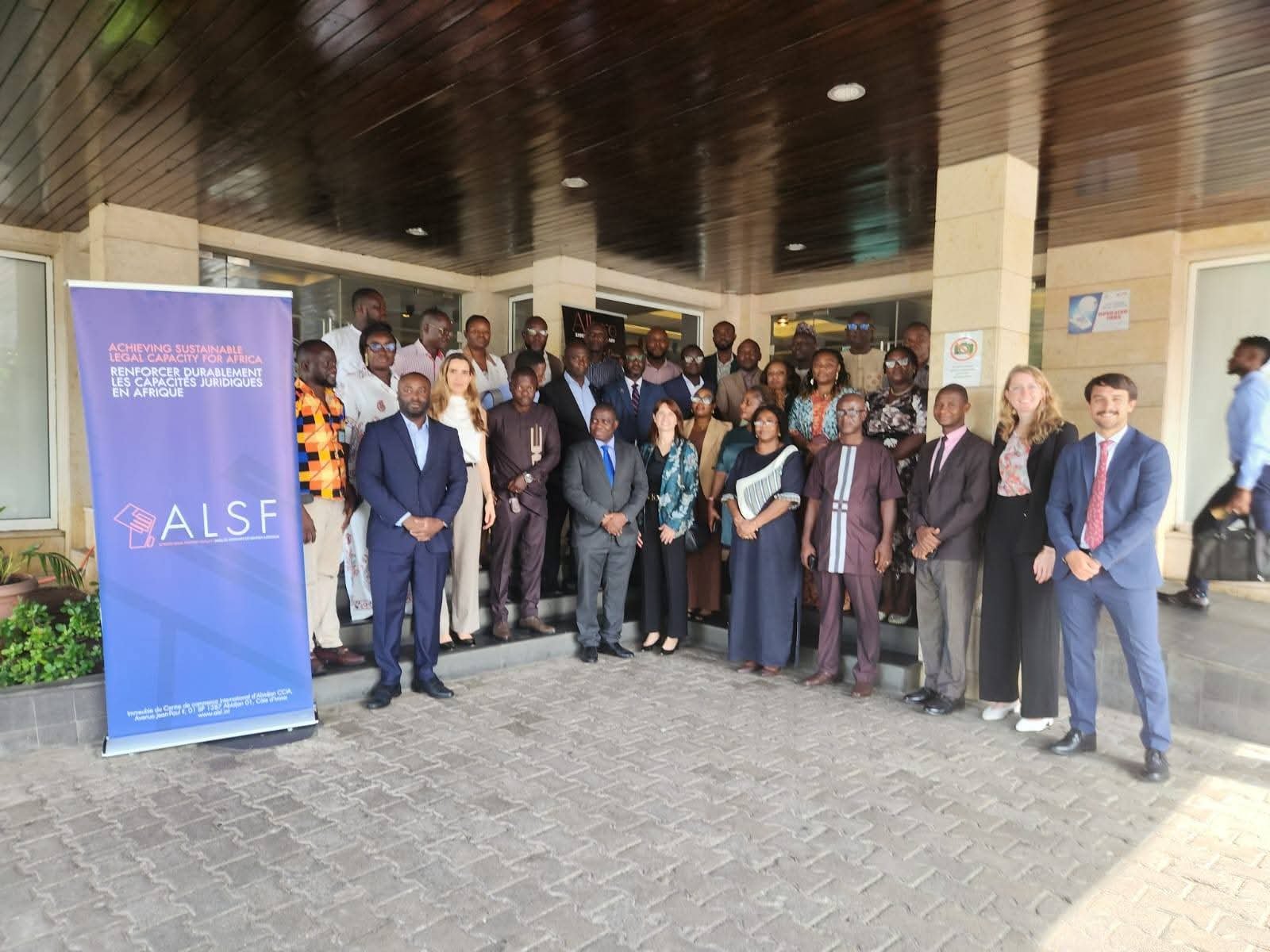
The commitment was highlighted during a technical engagement and capacity-building workshop organized in collaboration with the African Development Bank and the African Legal Support Facility (ALSF).
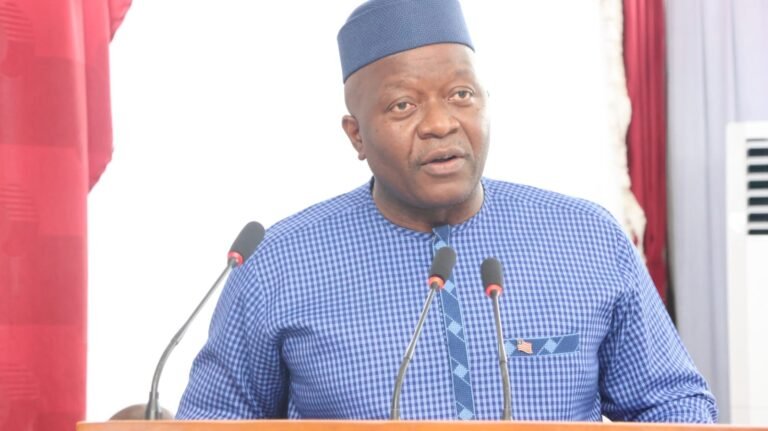
Delivering remarks on behalf of Finance and Development Planning Minister, Hon. Augustine Kpehe Ngafuan, the Deputy Minister for Economic Management, Hon. Dehpue Y. Zuo, emphasized the strategic importance of developing Liberia’s domestic debt market to ensure sound economic management and sustainable financing for national development priorities.
Deputy Minister Zuo expressed appreciation to the African Development Bank and the ALSF for their continued financial and technical support to Liberia’s efforts to strengthen its public debt management framework and advance the development of a functional domestic debt market.
Reflecting on Liberia’s past debt challenges, Deputy Minister Zuo recalled the country’s historic progress under the Heavily Indebted Poor Countries Initiative (HIPC), which resulted in the cancellation of more than US$4.2 billion in external debt.
He noted that Minister Ngafuan played a key leadership role during that process.
“Less than two decades after the HIPC process, Liberia has accumulated more than US$2.8 billion in public debt, over half of the amount that was cancelled,” Deputy Minister Zuo stated.
“This underscores why the development of a well-functioning domestic debt market is critical for the effective management of our economy.”
Deputy Minister Zuo disclosed that a strong domestic debt market is an essential component of a modern financial system because it enables the government to manage public finances more efficiently, while creating secure investment opportunities for financial institutions and citizens and supporting private sector growth.
He reveals that Liberia’s domestic debt market remains relatively shallow, with public debt largely concentrated among a limited number of creditors, primarily the Central Bank of Liberia and a few commercial banks. Participation from pension funds, insurance companies, and other institutional investors remains limited, and ordinary citizens have minimal access to investing in government securities.
“This narrow investor base, coupled with the predominance of short-term debt instruments, presents several challenges, including refinancing risks and limited capacity for medium-term fiscal planning”, he said.
To address these challenges, he indicated that the Government of Liberia has prioritized the development of a deeper and more inclusive domestic debt market with key reform measures such as strengthening the legal and regulatory framework for public debt management, expanding the range of domestic debt instruments, particularly longer-term Treasury bonds, and improving market infrastructure, transparency, and reporting systems.
The government also plans to broaden the investor base by encouraging greater participation from financial institutions and institutional investors, while exploring mechanisms that will eventually allow individual Liberians to invest in government securities.
Deputy Minister Zuo stated that the domestic debt market development will be implemented gradually and carefully, while the government continues to prioritize concessional external financing for major infrastructure and social investments.
“Domestic debt market development is about building confidence in Liberia’s financial system,” Deputy Minister Zuo said. “It will enable government to plan more effectively, support private sector access to long-term financing, and allow Liberian institutions and citizens to invest confidently in their own economy.”
Also speaking, Maude Vallée, Head of Operations Division at the African Legal Support Facility, welcomed the opportunity to collaborate with the Government of Liberia on strengthening the country’s debt management framework.
In November 2023, the Government of Liberia formally requested support from the ALSF to strengthen its debt management framework and support domestic market development.
The ALSF is an international organization hosted by the African Development Bank that provides legal and technical advisory services to African governments in the structuring and negotiation of complex commercial transactions across sectors, including sovereign finance, energy, infrastructure, public-private partnerships, and natural resources.
Liberia and the ALSF share a long-standing partnership dating back to the early years of the Facility.
Over time, the ALSF has supported the Government of Liberia across several sectors, including agriculture, energy, taxation, infrastructure PPPs, fisheries, and the oil and gas sector through both advisory services and capacity-building initiatives.
The five-day workshop brings together government officials and technical experts to examine international best practices in sovereign debt management and domestic debt market development. Participants are also exploring practical tools to support effective and transparent public debt management.
About the Author