Abuja, Nigeria: — The West African Tax Administration Forum (WATAF) has called for accelerated digitalization of Value Added Tax (VAT) systems across the region, warning that inefficiencies in current systems continue to limit revenue mobilization and economic growth.
The call was made during a high-level regional forum held on 21 April 2026 in Abidjan, organized by the African Development Bank (AfDB), which brought together tax administrators, policymakers, and development partners to examine reforms and best practices in VAT administration across the continent.
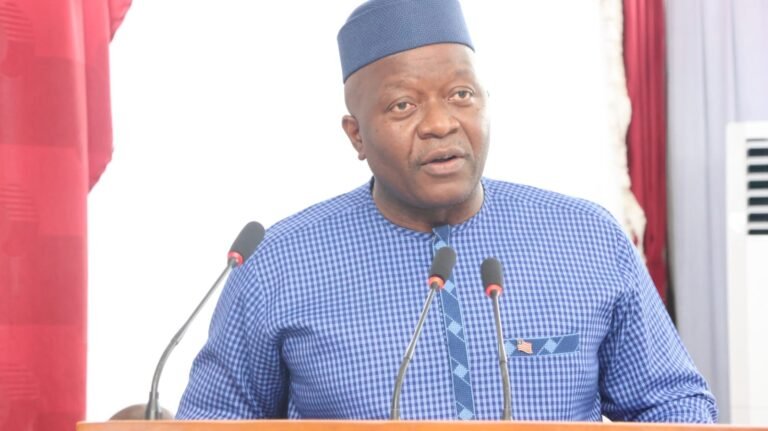
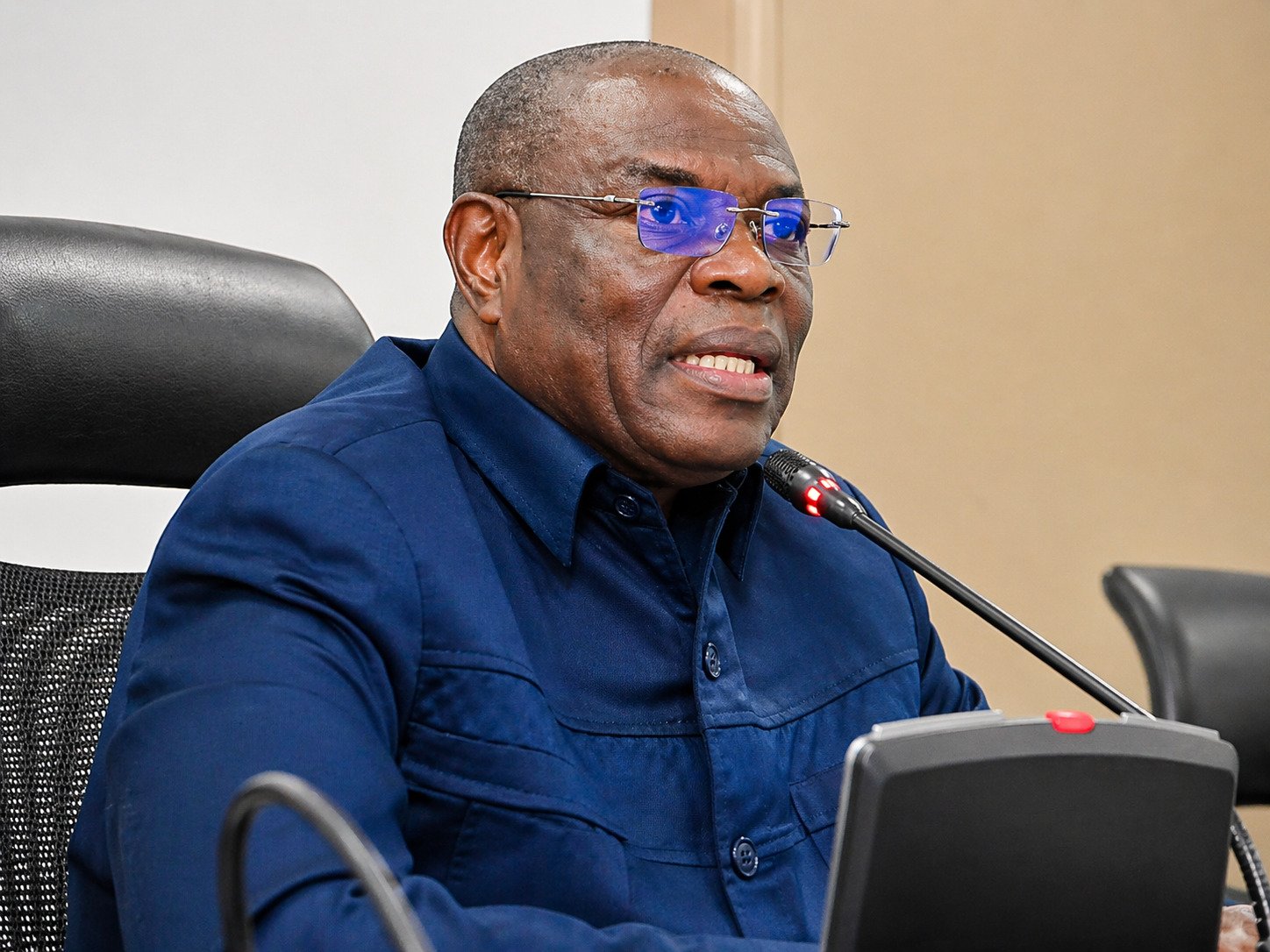
Contributing to a high-level panel discussion on “VAT Digitalization: Pathways, Challenges and Opportunities,” the Executive Secretary of WATAF, Mr. Jules Tapsoba, underscored that digital transformation of VAT administration is now a strategic imperative for improving compliance, reducing fraud, and enhancing efficiency in tax systems across West Africa.
“Digitalization is the single most transformative lever for improving VAT performance across West Africa. Without it, we will continue to face leakages, inefficiencies, and limited compliance,” said Mr. Tapsoba.
VAT remains one of the most significant sources of domestic revenue in many West African countries, yet structural challenges continue to constrain its full potential. Mr. Tapsoba noted that these challenges include a large informal sector, weak tax culture, limited digital infrastructure, and insufficient coordination between customs and domestic tax administrations, all of which contribute to revenue leakages, delays in VAT credit reimbursements, and reduced business liquidity.
He highlighted that ongoing reforms across member states are already demonstrating the impact of technology-driven tax systems, including the expansion of online taxpayer registration, the introduction of electronic invoicing, and the automation of tax declaration and payment processes. However, he emphasized the need for these reforms to be scaled up in a more harmonized and coordinated manner across the region.
Ms. Eline Okudzeto, Chief Governance Officer at the African Development Bank, highlighted lessons from East Africa, noting that while progress has been made, challenges remain in compliance, coordination, and system integration. She emphasized the importance of cross-border VAT cooperation and reaffirmed AfDB’s role in supporting dialogue, technical capacity building, and country-level reform programmes.
Other prominent speakers, including keynote speaker Mr. Emeka Nwankwo, Head of Member Services at the African Tax Administration Forum (ATAF), Mr. Abou Ouattara Sié, Director General of Taxes of Côte d’Ivoire, and Mr. Darlingston Yahkor Talery, Head of the Domestic Tax Unit at the Economic Community of West African States (ECOWAS), also emphasized the critical role of VAT in domestic revenue mobilization, while outlining ongoing challenges and future prospects for strengthening VAT systems across the region.
Mr. Tapsoba further called on member states to align national VAT frameworks with the ECOWAS Directive on VAT harmonization adopted in July 2023, with a domestication deadline of January 2027. He stressed that harmonization, combined with digitalization, will be essential for facilitating a common market, ensuring fair competition, and strengthening regional economic integration.
In addition to digital transformation, he outlined key measures to improve VAT performance, including modernizing VAT refund systems to reduce delays, strengthening audit and verification mechanisms to curb fraudulent claims, enhancing customs valuation processes, and operationalizing joint audit teams between customs and domestic tax administrations. He also emphasized the need to build robust data systems and regional databases to support evidence-based policymaking, alongside strengthening the capacity of tax officials and promoting greater public awareness of tax compliance.
WATAF reaffirmed its commitment to supporting member states through technical assistance, capacity development, and knowledge sharing to drive the ongoing fiscal transition from reliance on border taxes to more efficient domestic tax systems. The Forum called on governments and development partners to move from policy commitments to implementation, emphasizing that timely action will be critical to achieving the region’s fiscal transition goals.
About WATAF
The West African Tax Administration Forum (WATAF) is a regional body that brings together tax administrations across West Africa to strengthen domestic resource mobilization through cooperation, capacity development, and knowledge sharing. WATAF plays a leading role in shaping regional tax policy dialogue and supporting the modernization and harmonization of tax systems in line with regional and international standards.
About the Author