MONROVIA, LIBERIA — In a significant step toward improving household energy access and environmental sustainability, the Government of Liberia, through the Ministry of Mines and Energy (MME), has validated a key action document that will guide the development of a comprehensive national strategy on clean cooking energy.
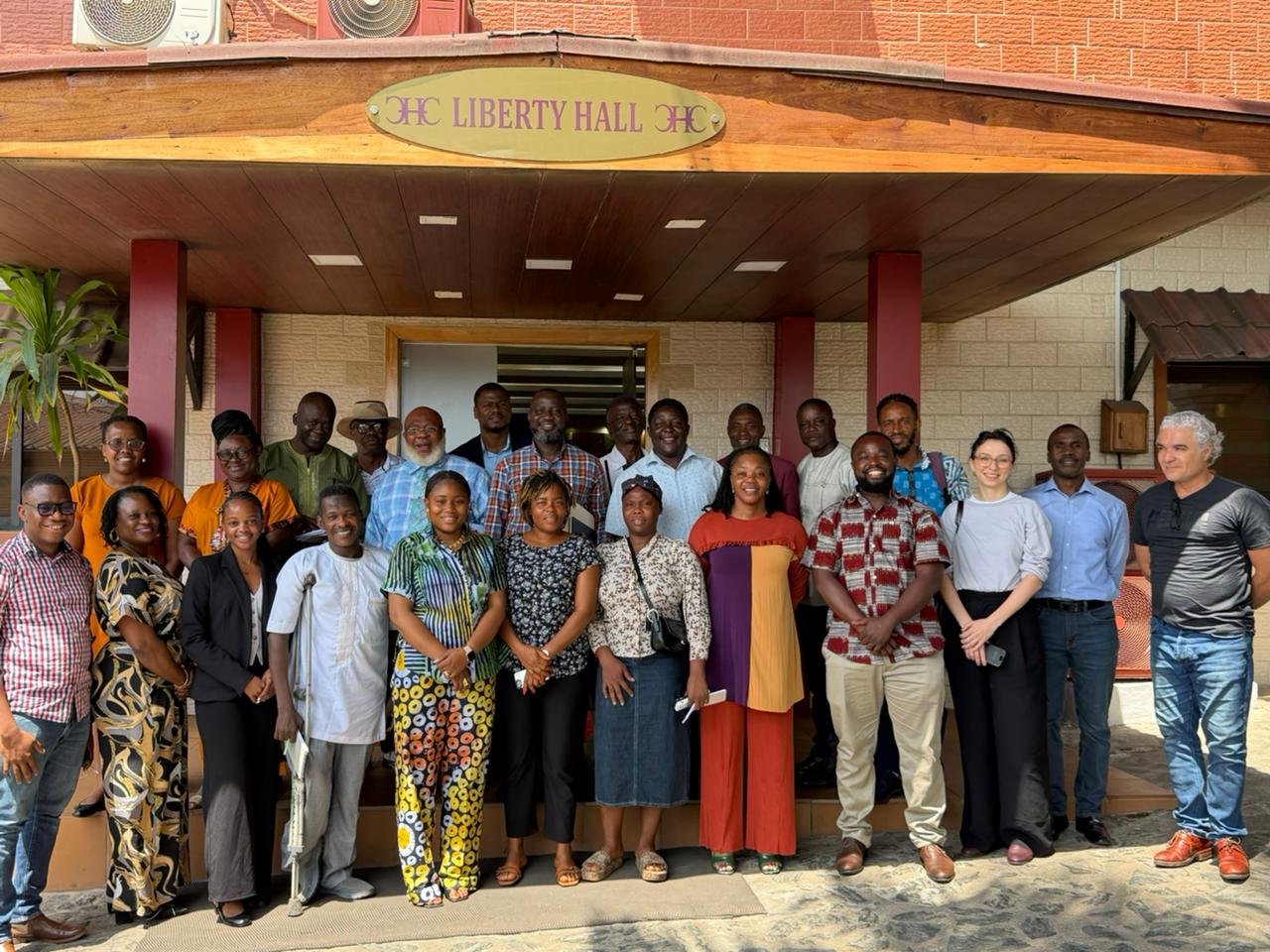
The national validation workshop, held recently in Monrovia, brought together a broad spectrum of stakeholders including representatives from government Ministries and Agencies, development partners, civil society organizations, private sector actors, and energy experts. The gathering provided a platform for participants to critically review the draft Action Document for Clean Cooking Energy and technical recommendations aimed at strengthening Liberia’s transition toward safer, cleaner, and more sustainable cooking solutions.
Officials from the Ministry of Mines and Energy emphasized that improving access to clean cooking energy remains a major priority for the government, noting that a large proportion of Liberian households still depend heavily on traditional fuels such as firewood and charcoal for cooking. While widely used, these fuels contribute to indoor air pollution, health complications, environmental issues and increased burdens on women and children who often spend long hours collecting fuel or fetching fire-wood.
Participants at the workshop noted that the validation of the Action Document marks an important milestone in the country’s efforts to address these challenges. The document provides a strategic framework designed to guide Liberia’s shift toward modern cooking technologies, including improved cook-stoves and alternative energy sources that are both efficient and environmentally friendly.
The initiative also aligns with Liberia’s broader energy and climate commitments, including priorities outlined in the National Energy Policy (NEP), the country’s Nationally Determined Contributions under global climate agreements, and the Government’s commitments under the Mission 300 initiative, which seeks to expand access to electricity and clean energy solutions across the African continent.
During the deliberations, stakeholders underscored the wide-ranging benefits of expanding access to clean cooking solutions. In addition to improving public health by reducing exposure to harmful smoke, modern cooking technologies are expected to empower women and girls, support livelihoods, and contribute to environmental conservation by reducing pressure on forests and natural ecosystems.
Participants also offered several recommendations to further strengthen the document. Key suggestions included enhancing coordination among government institutions, encouraging greater private sector participation in the clean cooking market, and promoting public awareness on the benefits of adopting improved and efficient cooking technologies.
Once finalized, the Action Document will serve as a foundational roadmap for the formulation of Liberia’s National Clean Cooking Strategy and Policy. The strategy is expected to guide future investments, partnerships, and national programs aimed at expanding access to clean cooking solutions for households across the country.
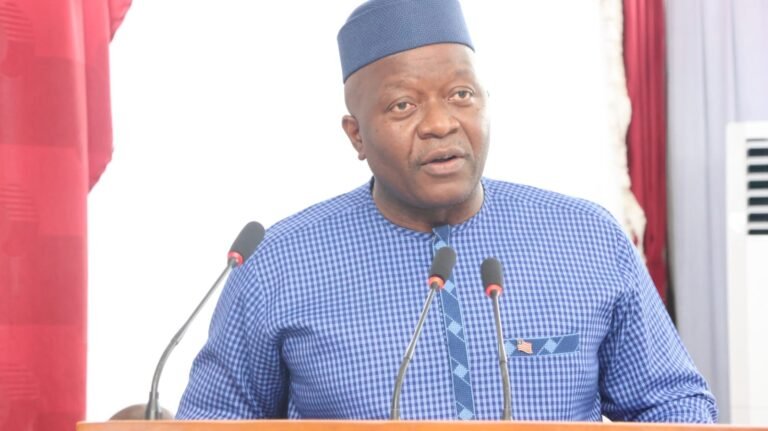
Speaking at the validation workshop, the Senior Policy Director in the Department of ENERGY, Joebarline B. Gbozee, reaffirmed the Ministry of Mines and Energy’s commitment to working collaboratively with stakeholders and development partners to ensure the successful implementation of clean cooking initiatives. She stressed that improving access to modern cooking solutions is a vital component of Liberia’s energy transition and sustainable development agenda.
The validation workshop reflects the Government of Liberia’s continued efforts to promote inclusive energy access and accelerate progress toward achieving national development priorities and global sustainable development goals.
About the Author